
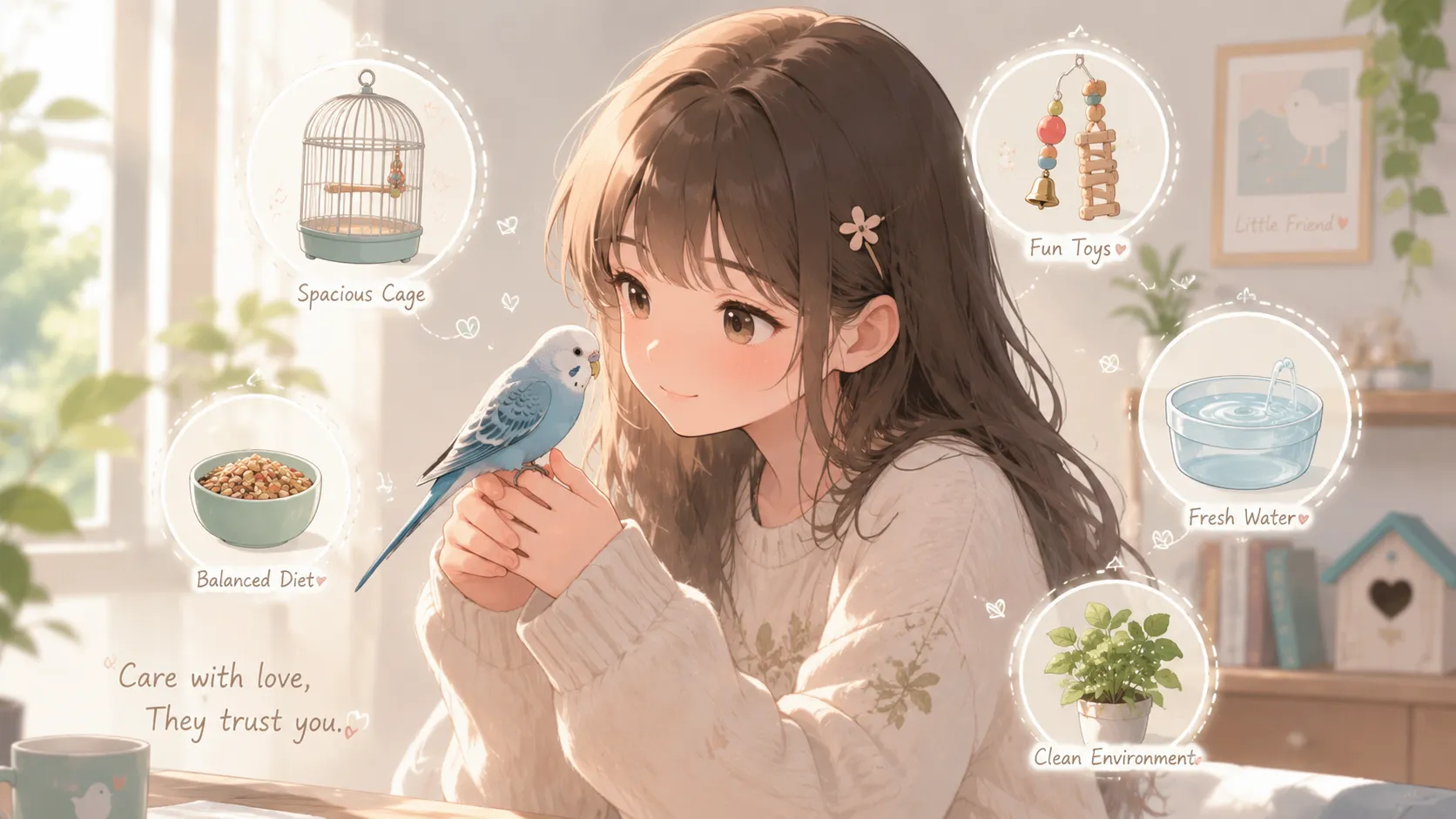
Walking into a pet store and hearing dozens of chirps, whistles, and tiny squawks can feel exciting. Suddenly every bird seems adorable, colorful, and full of personality. That excitement often pushes people into choosing a bird based purely on appearance. The problem? A bird that looks cute in a cage may completely clash with your daily life once you bring it home. Some species demand constant interaction, while others are content singing quietly in the corner of a room. Understanding what actually makes a bird “easy” is the difference between years of enjoyment and months of stress.
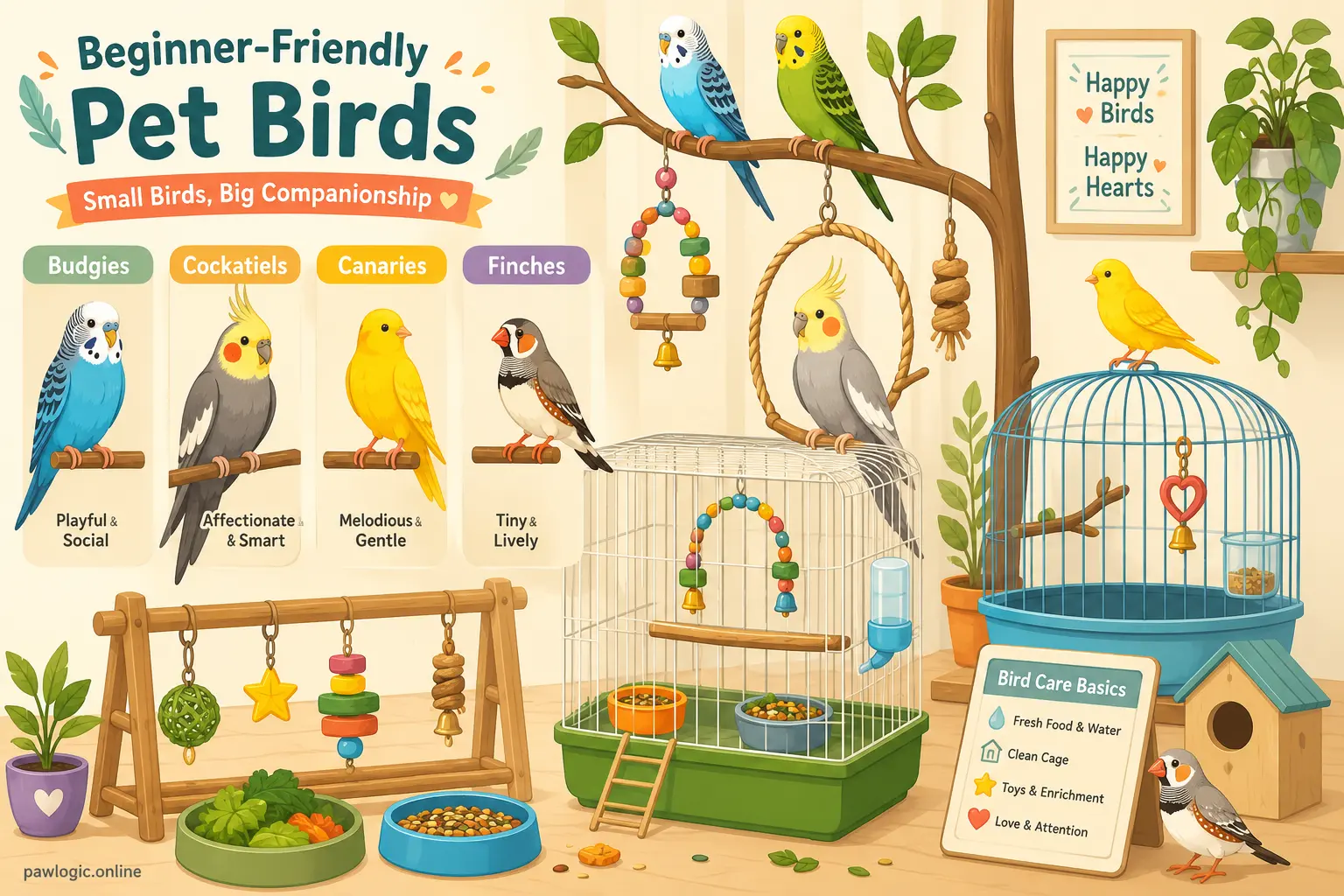
The easiest birds to care for usually share a few important characteristics. They tend to be smaller, less aggressive, more adaptable to handling, and easier to feed and house. Species like budgies and cockatiels repeatedly appear on beginner recommendation lists because they are forgiving of small mistakes and can adapt to ordinary homes relatively well. Recent veterinary and pet care publications consistently rank budgies, cockatiels, canaries, and finches among the best beginner birds because of their manageable care needs and social behavior.
That said, the phrase “easy bird” can be misleading. Birds are not decorative furniture. Even the simplest species still require daily attention, cage cleaning, fresh food, safe environments, and mental stimulation. Many new owners assume small birds are nearly maintenance-free because they live in cages, but experienced bird keepers strongly disagree. Online bird communities often warn beginners that there is really no such thing as a truly effortless pet bird.
A better way to think about it is this: some birds are simply more manageable for inexperienced owners. It’s similar to learning to drive. You probably wouldn’t hand a brand-new driver the keys to a race car. In the same way, a beginner bird owner usually does better with calmer, smaller, and more adaptable species rather than loud, highly demanding parrots.
Traits That Make a Bird Beginner-Friendly
Several traits separate beginner-friendly birds from advanced species. Temperament sits at the top of the list. Friendly birds that tolerate human mistakes tend to be easier to manage. Budgies, for example, are naturally curious and social, making them easier to tame with consistent interaction. Cockatiels are often praised for their gentle personalities and willingness to bond with owners.
Noise level also matters more than many people expect. Some birds produce soft chirps throughout the day, while others can sound like a smoke alarm having an emotional breakdown. Apartment dwellers especially need birds with moderate or low noise levels. Canaries and finches are popular partly because their sounds are melodic rather than piercing.
Another huge factor is space. Small birds require smaller cages compared to large parrots, though “small cage” does not mean tiny. Birds need room to stretch, flap, climb, and play. Beginner-friendly species generally adapt better to standard apartment or house environments without requiring massive aviary-style setups.
Trainability also plays a role. Birds that learn routines quickly make ownership smoother. A budgie that steps onto your finger calmly is far easier to handle than a nervous bird that panics every time a hand approaches the cage.
Finally, diet and health needs affect difficulty. Species with straightforward feeding requirements and fewer behavioral complications naturally fit beginners better. According to avian care resources and veterinary guides, budgies and cockatiels are among the most adaptable beginner birds because they balance friendliness, manageable noise, trainability, and practical care needs.
Best Small Birds for First-Time Owners
Small birds dominate nearly every beginner recommendation list for one simple reason: they fit into everyday life more easily. Their cages take up less space, their food costs less, and their behavior is usually easier to manage. That doesn’t mean they’re effortless, but compared to large parrots, they’re often a gentler introduction to bird ownership.
Budgies and Why They’re So Popular
If pet birds had a beginner hall of fame, the budgie would probably be standing in the center wearing a gold medal. Budgerigars, commonly called parakeets or budgies, are widely considered the easiest birds for first-time owners. Multiple recent bird care guides and veterinary-reviewed articles consistently place them at the top of beginner lists.
Budgies are small, colorful, playful, and surprisingly intelligent. Some can even mimic words and phrases. Their tiny size makes them less intimidating than larger parrots, which helps nervous beginners feel more comfortable handling them. They’re also relatively affordable compared to exotic parrots that can cost thousands of dollars.
One of the biggest advantages of budgies is adaptability. They can thrive in apartments, family homes, or smaller living spaces as long as they receive regular interaction and enrichment. Their personalities often resemble tiny comedians. They swing upside down, chatter constantly, and investigate everything around them like feathered detectives.
Still, budgies are not “set and forget” pets. They need social interaction every day. Owners must provide fresh vegetables, pellets, toys, and clean water consistently. A lonely or bored budgie may become withdrawn or stressed. Experts also warn against feeding seed-only diets because they can cause nutritional deficiencies over time.
Cockatiels for Social and Gentle Companionship
Cockatiels sit right beside budgies as one of the best beginner birds available today. They’re slightly larger, more expressive, and often more affectionate toward humans. Many owners describe cockatiels as tiny emotional support birds with wings.
Their crest feathers make them especially easy to “read.” A raised crest usually signals excitement or curiosity, while a flattened crest may indicate fear or stress. This visible body language helps beginners understand their bird’s mood more easily.
Cockatiels are generally quieter than larger parrots, although they still whistle and vocalize regularly. Male cockatiels especially love to whistle melodies and mimic sounds around the house. Compared to large parrots, their volume is far more manageable for most homes.
Another reason cockatiels work well for beginners is their gentle handling tolerance. Many adapt well to stepping onto fingers, sitting on shoulders, and interacting with family members. Their emotional bonding can be incredibly rewarding. A well-socialized cockatiel often follows its owner around the room like a feathery shadow.
Recent bird care guides frequently rank cockatiels as one of the easiest companion birds because of their friendly nature and moderate care demands.
Canaries and Finches for Low-Handling Homes
Not everyone wants a clingy bird demanding constant attention. Some people simply enjoy listening to birds sing or watching them flutter peacefully around a cage. That’s where canaries and finches shine.
Canaries are famous for their beautiful songs, especially males. They are ideal for owners who prefer observation over handling. Unlike parrots, canaries do not typically crave physical affection or intensive training. They’re more like living music boxes with feathers.
Finches also work well for quieter households. They thrive best in pairs or groups and tend to entertain each other rather than relying heavily on humans for companionship. This makes them attractive for busy owners who cannot spend hours each day interacting with a pet.
Their independence comes with a trade-off, though. People seeking cuddly, trainable birds may find finches and canaries emotionally distant. They are best appreciated visually and audibly rather than physically.
Lovebirds and Parrotlets: Easy or Misunderstood?
Lovebirds and parrotlets often appear on beginner bird lists because they are small and adorable. The reality is more complicated. While manageable in size, both species can develop strong personalities that surprise inexperienced owners.
Lovebirds are energetic, intelligent, and deeply social. Without enough interaction, they may become loud or territorial. Parrotlets, despite their tiny bodies, can display the confidence of birds ten times their size. Some owners jokingly call them “tiny parrots with huge attitudes.”
These species are not impossible for beginners, but they require more commitment to socialization and training. Experts often recommend starting with budgies or cockatiels first before moving into more demanding species.
What Daily Bird Care Really Looks Like
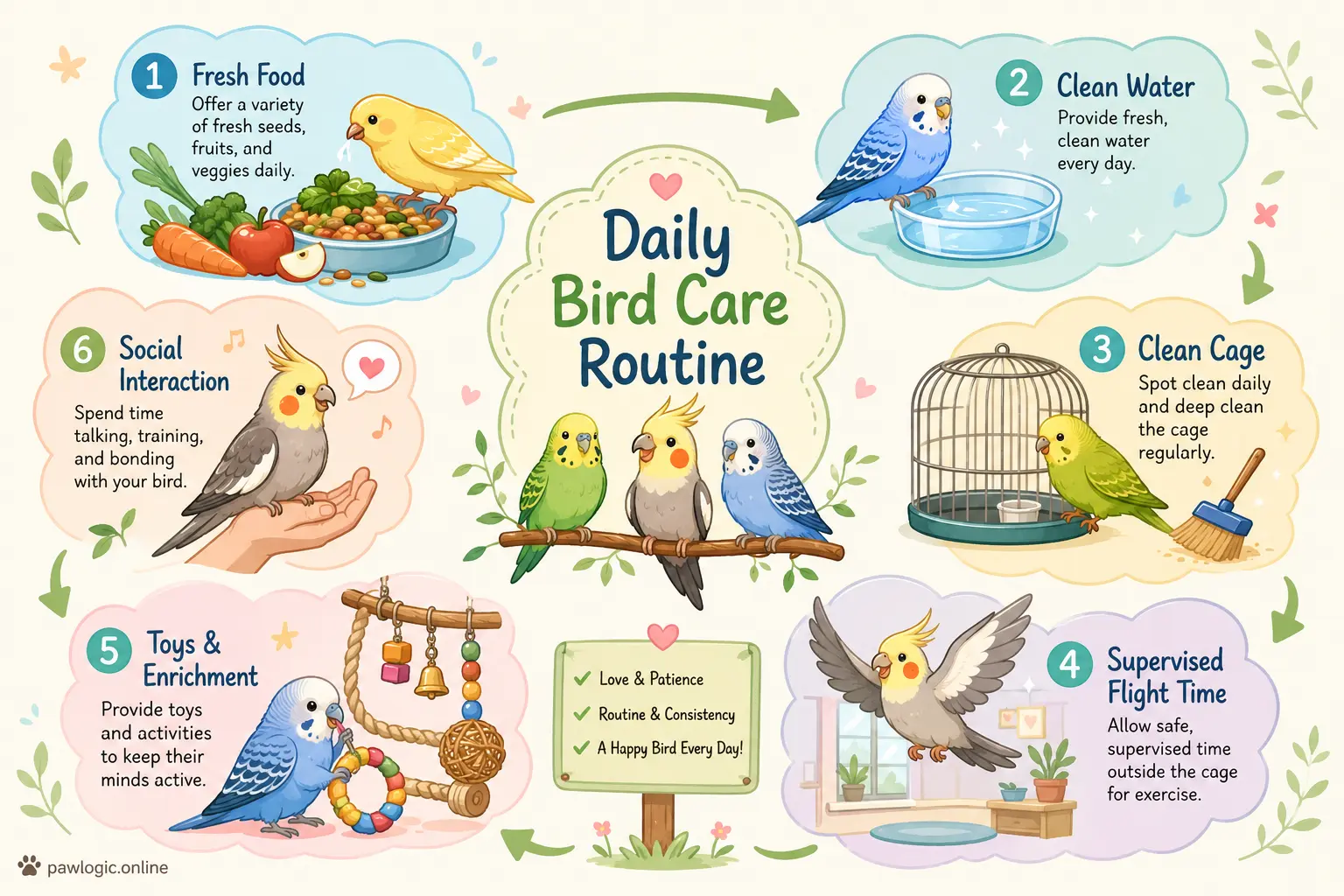
Many people imagine bird ownership as filling a seed bowl once a day and occasionally changing cage paper. Real bird care is much more involved. Birds are intelligent, sensitive animals that rely heavily on routine and interaction.
A typical day begins with feeding fresh food and water. Most healthy bird diets now include pellets, vegetables, leafy greens, and occasional fruit instead of relying solely on seed mixes. Owners also need to check for unusual behavior, droppings, or signs of illness because birds instinctively hide sickness.
Cleaning becomes part of daily life too. Birds are messy. They toss food, scatter feathers, shred toys, and sometimes fling droppings with alarming accuracy. Cage liners often need changing every day or two. Food bowls require washing regularly to prevent bacteria growth.
Exercise matters just as much as nutrition. Birds need mental stimulation and physical movement to stay healthy. Many species require supervised out-of-cage time daily. Toys, climbing structures, mirrors, swings, and training exercises all help prevent boredom.
Social interaction varies by species. Budgies and cockatiels typically need daily engagement if housed alone. Finches and canaries rely less on human bonding but still benefit from environmental enrichment and proper care.
Bird-proofing the home is another hidden responsibility many beginners overlook. Teflon cookware fumes, candles, aerosol sprays, ceiling fans, and open water sources can all become dangerous. Online bird communities frequently warn that bird ownership involves far more environmental awareness than most people initially expect.
Noise, Mess, and Lifestyle Compatibility
One of the biggest mistakes new owners make is underestimating how disruptive birds can be. Even small birds produce noise, dust, and mess every single day. The easiest bird for one household may become unbearable in another.
Which Birds Are Quietest for Apartments
Canaries, finches, and budgies generally rank among the quieter beginner birds. Their sounds are softer and more rhythmic compared to the sharp screams of larger parrots.
Cockatiels fall somewhere in the middle. They whistle frequently but are usually manageable for apartments if neighbors are reasonably tolerant. Lovebirds and conures, on the other hand, can become surprisingly loud for their size.
Here’s a simple comparison of beginner bird noise levels:
| Bird Species | Noise Level | Best For |
|---|---|---|
| Budgie | Low to Moderate | Apartments and families |
| Cockatiel | Moderate | Social households |
| Canary | Low | Quiet homes |
| Finch | Low | Observation-focused owners |
| Lovebird | Moderate to High | Active owners |
| Parrotlet | Moderate | Experienced beginners |
Understanding Feather Dust and Cage Mess
Birds create mess in ways many first-time owners never imagine. Seed husks end up everywhere. Feathers drift through rooms like tiny snowflakes. Water bowls somehow become miniature splash zones.
Cockatiels especially produce feather dust, a fine powder that can settle on furniture. Regular vacuuming and air filtration help reduce buildup. Budgies tend to scatter food aggressively, almost like toddlers throwing cereal off a high chair.
This constant mess is not a sign of a “bad bird.” It’s simply normal bird behavior. Anyone considering bird ownership must honestly evaluate their tolerance for daily cleanup.
How Much Attention Different Birds Need
Attention needs vary enormously by species. A lone budgie or cockatiel may require several hours of interaction daily. Finches and canaries are more independent, especially when housed with companions.
Large parrots often behave emotionally like toddlers, which is why many experienced bird owners warn beginners against jumping straight into advanced species. Some Reddit bird owners compare parrots to permanent toddlers with bolt cutters attached to their faces.
Choosing a bird that matches your available time is critical. A highly social bird in a neglected environment can develop screaming, biting, or feather-plucking behaviors.
Handling, Bonding, and Training
One of the most rewarding parts of bird ownership is building trust. Unlike dogs, birds are prey animals by nature. Trust must be earned patiently and consistently.
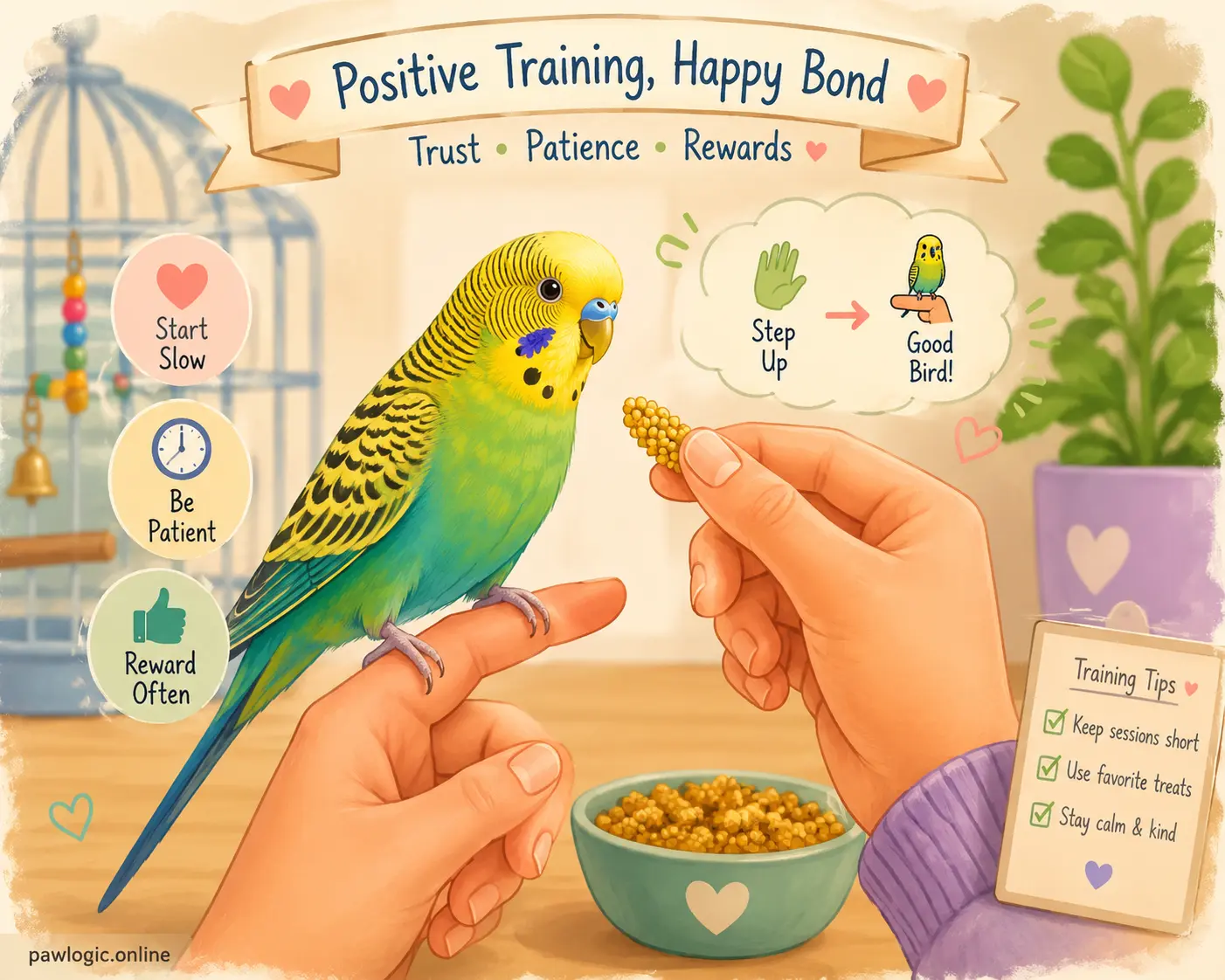
Budgies and cockatiels adapt especially well to handling when socialized early. Gentle daily interaction helps them become confident around people. Training sessions should stay short, positive, and reward-based.
Teaching a bird to “step up” onto your finger is usually the first major training goal. This simple behavior makes daily care dramatically easier. Once birds trust their owners, many learn whistles, routines, and even simple tricks.
Positive reinforcement works best. Birds respond far better to praise and treats than punishment. Yelling at frightened birds usually damages trust instead of improving behavior.
Patience matters more than perfection. Some birds warm up in days, while others need months. Every bird has its own personality, preferences, and comfort level.
Common First-Time Bird Owner Mistakes
Bird ownership often looks easier online than it feels in reality. Social media clips showing cuddly parrots dancing to music rarely show the cage cleaning, noise, and emotional care happening behind the scenes.
One common mistake is choosing birds based entirely on appearance. Large parrots look impressive, but they often demand advanced care, huge cages, and decades-long commitments.
Another major mistake is ignoring lifespan. Many small birds live 10–15 years, while larger parrots may live several decades. Buying a bird is not a short-term hobby.
Veterinary care is another overlooked challenge. Avian vets are harder to find than standard dog and cat clinics in many areas. Bird communities frequently warn new owners to locate an avian veterinarian before bringing home a bird.
Safety mistakes also happen constantly. Nonstick cookware fumes, candles, air fresheners, and open windows can become deadly hazards for birds. Beginners often learn these risks only after joining bird communities or researching extensively.
Choosing a Bird That Matches Your Lifestyle
The easiest bird to care for is not necessarily the quietest, cheapest, or smallest bird. It’s the bird that fits naturally into your everyday life.
Busy people may prefer finches or canaries because they require less physical interaction. Families often enjoy budgies because they’re playful, colorful, and social. Quiet households may appreciate canaries for their soft singing.
People seeking emotional companionship often connect strongly with cockatiels because of their affectionate personalities. Apartment dwellers usually benefit from avoiding louder species entirely.
Before choosing any bird, ask yourself realistic questions:
- How much noise can I tolerate?
- How many hours can I spend interacting daily?
- Am I comfortable cleaning every day?
- Can I afford veterinary care?
- Am I prepared for a long-term commitment?
These questions matter more than color, popularity, or talking ability.
Conclusion
So, what is the easiest bird to take care of? For most beginners, the answer is usually the budgie or cockatiel. Both species balance friendliness, manageable care requirements, trainability, and adaptability better than most other pet birds. Canaries and finches also work beautifully for people who prefer quieter, lower-interaction companions.
The real secret to successful bird ownership is not finding a “perfectly easy” bird. It’s finding a bird whose needs genuinely match your lifestyle. A bird that fits your schedule, living space, noise tolerance, and personality is far more likely to thrive.
Birds bring energy, intelligence, music, and companionship into a home unlike almost any other pet. They can also test your patience, challenge your routines, and cover your floor in seed husks before breakfast. When expectations are realistic, though, bird ownership becomes an incredibly rewarding experience filled with personality, trust, and daily moments that make you laugh unexpectedly.
FAQs
1. What is the absolute easiest bird for beginners?
Most experts consider the budgie the easiest beginner bird because it is affordable, friendly, trainable, and relatively easy to care for compared to larger parrots.
2. Are birds harder to care for than cats or dogs?
In some ways, yes. Birds require specialized diets, environmental safety precautions, regular cleaning, and significant mental stimulation. Many experienced owners say birds are more demanding than people initially expect.
3. Which bird is best for apartments?
Budgies, canaries, and finches are usually best for apartments because they produce less noise than larger parrots.
4. Do beginner birds need daily attention?
Yes. Even small birds require fresh food, clean water, enrichment, and interaction or stimulation every day.
5. What is the biggest mistake new bird owners make?
Choosing a bird based only on looks or popularity instead of considering noise level, lifespan, care needs, and compatibility with their lifestyle.

Merrick Nash is a 40-year-old American content creator from Madison, Wisconsin. He has built a reputation for publishing in-depth guides and expert blog articles for pawlogic.online, combining years of digital publishing experience with careful research and an editorial approach that values clarity, credibility, and helpful advice.