
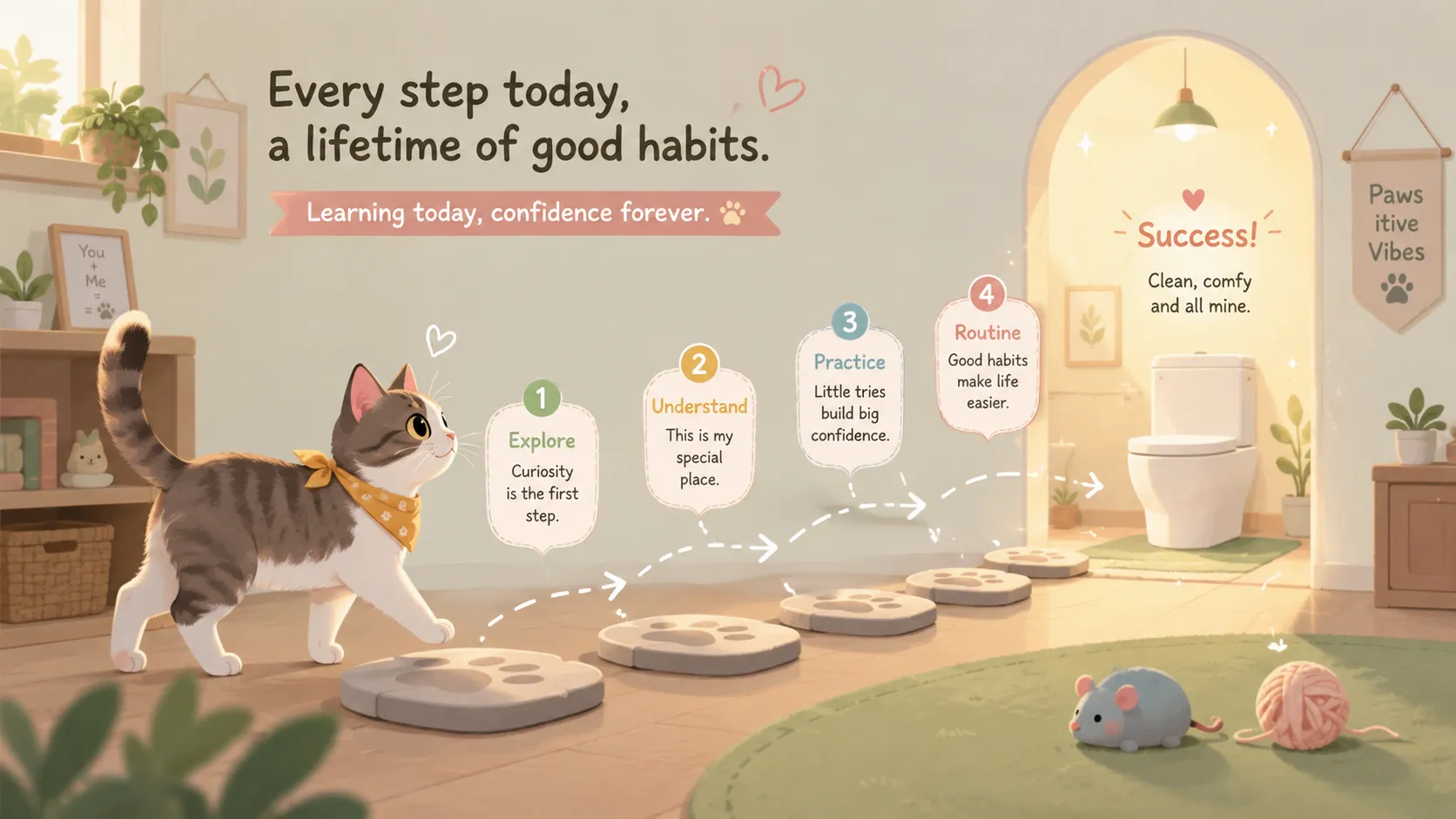
Toilet training a cat is not something you simply decide to do overnight. It is more like teaching a child to ride a bike without training wheels; possible, but only if the timing and personality match the challenge. Some cats adapt quickly to change, while others feel stressed even when you move their food bowl two inches to the left. That’s why understanding your cat’s temperament is the first real step in this process.
A curious, confident, and adaptable cat usually handles transitions better. These cats are often playful, not overly anxious, and comfortable exploring new spaces like bathrooms or elevated surfaces. On the other hand, shy, nervous, or older cats tend to struggle more because toilet training removes their natural sense of security. Cats are creatures of habit, and disrupting that routine can easily lead to behavioral issues like avoidance or accidents outside the bathroom area.
Personality traits that support success
Cats that show confidence, curiosity, and a strong bond with their owner are typically better candidates. If your cat already follows you into the bathroom or enjoys jumping onto furniture, that’s a positive sign. These behaviors show adaptability and physical confidence, both of which are essential for toilet training success.
Younger cats also tend to learn faster because they are still forming habits. However, this doesn’t mean older cats cannot learn; it simply means patience becomes even more important. A stable temperament matters more than age alone.
Pros and cons of toilet training cats
| Pros | Cons |
|---|---|
| No litter box cleaning | Risk of stress or anxiety |
| Reduced household odor | Loss of natural digging instinct |
| Cleaner living space | Possible regression behavior |
| Convenient for some owners | Health monitoring becomes harder |
While the benefits may sound appealing, many veterinarians caution that cats naturally prefer litter they can dig in. This instinct is deeply embedded in their behavior and should not be ignored when making your decision.
Preparing the Bathroom for a Gradual Transition
The biggest mistake people make is rushing the process. Cats do not respond well to sudden changes, especially when it involves something as sensitive as elimination behavior. Instead, the bathroom must slowly become their new comfort zone.
Think of it as setting the stage for a performance. Every object, scent, and placement must feel familiar before you introduce the toilet itself.
Optimal litter box placement strategy
Start by moving the litter box closer to the bathroom over several days. The goal is not speed; it’s acceptance. If your cat continues using the box without hesitation, you are on the right track. Once it is inside the bathroom, keep it stable in one location for at least a week before making further adjustments.
Cats rely heavily on scent markers. If you move things too quickly, they may become confused and avoid the area entirely. That’s why consistency matters more than progress in the early stages.
Essential tools and setup checklist
Before you begin toilet training, you need a few basic items:
- A sturdy litter box
- Non-slip step stool or platform
- Cat-safe cleaning supplies
- Optional toilet training kit
- Treats for reinforcement
Each item plays a role in reducing stress and guiding your cat through change. The environment should feel safe, predictable, and easy to navigate.
Moving From Litter Box to Toilet Step by Step
This is the stage where most owners either succeed or fail. The key is patience combined with very small, controlled changes. Sudden jumps in height or placement often lead to refusal or accidents outside the box.
Initial relocation to bathroom area
Once your cat is comfortable using the litter box inside the bathroom, you should stop making changes for a short period. This helps your cat associate the bathroom itself with elimination, not just the box location. Stability builds trust, and trust is essential for the next phase.
Elevation training process
Next, begin raising the litter box gradually. This is usually done using books, boxes, or secure platforms. The elevation should increase slowly over several days or weeks. Cats must feel stable while stepping in and out of the box.
This step mimics the height of the toilet, preparing your cat physically and mentally. If your cat shows hesitation, pause the process and allow them more time to adjust.
Using toilet training kits safely
Toilet training kits replace the litter box with a seat that fits over the toilet. These kits gradually reduce litter usage and introduce a hole system. Over time, the hole becomes larger until the litter is no longer needed.
The process must remain gradual. If rushed, cats may refuse the toilet entirely and return to inappropriate elimination spots. Stability and repetition are the foundation of success here.
Common Setbacks During the Training Process
Setbacks are not exceptions; they are part of the process. Even well-trained cats may suddenly stop using the toilet if something in their environment changes. This could be stress, a dirty toilet, or even a change in household routine.
Accidents and regression behavior
One of the most frustrating challenges is regression. A cat that was doing well may suddenly start eliminating outside the toilet area. This is often not disobedience but confusion or discomfort.
Common triggers include:
- Loud household noise
- Dirty toilet or bathroom
- Changes in routine
- Feeling unstable on the toilet seat
When regression happens, it is important to step back one stage rather than forcing progress. Pressure usually makes the problem worse.
Why Some Cats Resist the Change Completely
Not all cats are meant for toilet training, and that is perfectly normal. The refusal is not stubbornness; it is instinct.
Natural instincts and behavioral barriers
Cats are biologically programmed to dig, bury, and cover their waste. This behavior is tied to survival instincts in the wild, where scent concealment protects them from predators. A toilet removes this ability entirely.
Another issue is balance and comfort. Sitting on a narrow toilet seat requires stability that some cats simply do not enjoy. Older cats or those with joint problems may find the position uncomfortable or even painful.
Stress is another major factor. If a cat feels unsafe or confused, they may avoid the toilet completely and choose alternative locations that feel more secure.
Hygiene and Household Challenges to Consider
While toilet training might seem cleaner on the surface, it introduces hidden hygiene concerns that many owners don’t initially consider. Unlike litter boxes, toilets require strict cleaning habits to remain sanitary for both humans and pets.
Sanitation and safety concerns
Toilets must be cleaned frequently to prevent bacteria buildup. Cats also need consistent access, which means leaving the seat up or modifying household habits. This can become inconvenient in shared households.
There is also a safety concern. Cats can lose balance, slip, or become frightened during use. This can lead to accidents or long-term avoidance behavior.
Households must also consider guest comfort. Not everyone is comfortable with a pet using the same toilet, which can create practical challenges in shared living environments.
Signs Your Cat Is Ready for the Final Transition
Knowing when to move forward is more important than how fast you move. Cats give clear signals when they are comfortable with each stage.
Look for these signs:
- Your cat uses the elevated litter box consistently
- No signs of stress or hesitation
- Confident jumping or balancing behavior
- Regular bathroom routine without accidents
- Comfort staying near the toilet area
If these behaviors are consistent for at least several days, your cat may be ready for the final transition phase. However, even then, slow progression is essential.
Conclusion
Training a cat to use the toilet is a journey shaped by patience, observation, and respect for natural instincts. While the idea of a litter-free home sounds appealing, the process is not suitable for every cat. Success depends heavily on personality, environment, and the ability to progress slowly without forcing change.
Some cats will adapt and thrive, while others will clearly show that they prefer traditional litter boxes. The key is to prioritize your cat’s comfort over convenience. A stress-free cat will always be happier and healthier than one pushed beyond its limits.
FAQs
1. Can all cats be toilet trained?
Not all cats adapt well. Personality, age, and health play a major role in success.
2. How long does toilet training usually take?
It can take several weeks to a few months depending on how slowly you progress.
3. Is toilet training safe for cats?
It can be risky for some cats, especially older or anxious ones, due to balance and stress issues.
4. What should I do if my cat stops using the toilet?
Return to the previous successful training stage and rebuild confidence gradually.
5. Do veterinarians recommend toilet training cats?
Many veterinarians prefer litter boxes because they align with natural feline behavior and allow easier health monitoring.

Weston Crest is a 32-year-old American blogger based in Fort Collins, Colorado. He writes detailed, reader-focused articles for pawlogic.online with an emphasis on pets, outdoor living, and consumer education. His professional background in online publishing and dedication to accurate, useful information make his content both engaging and dependable.