
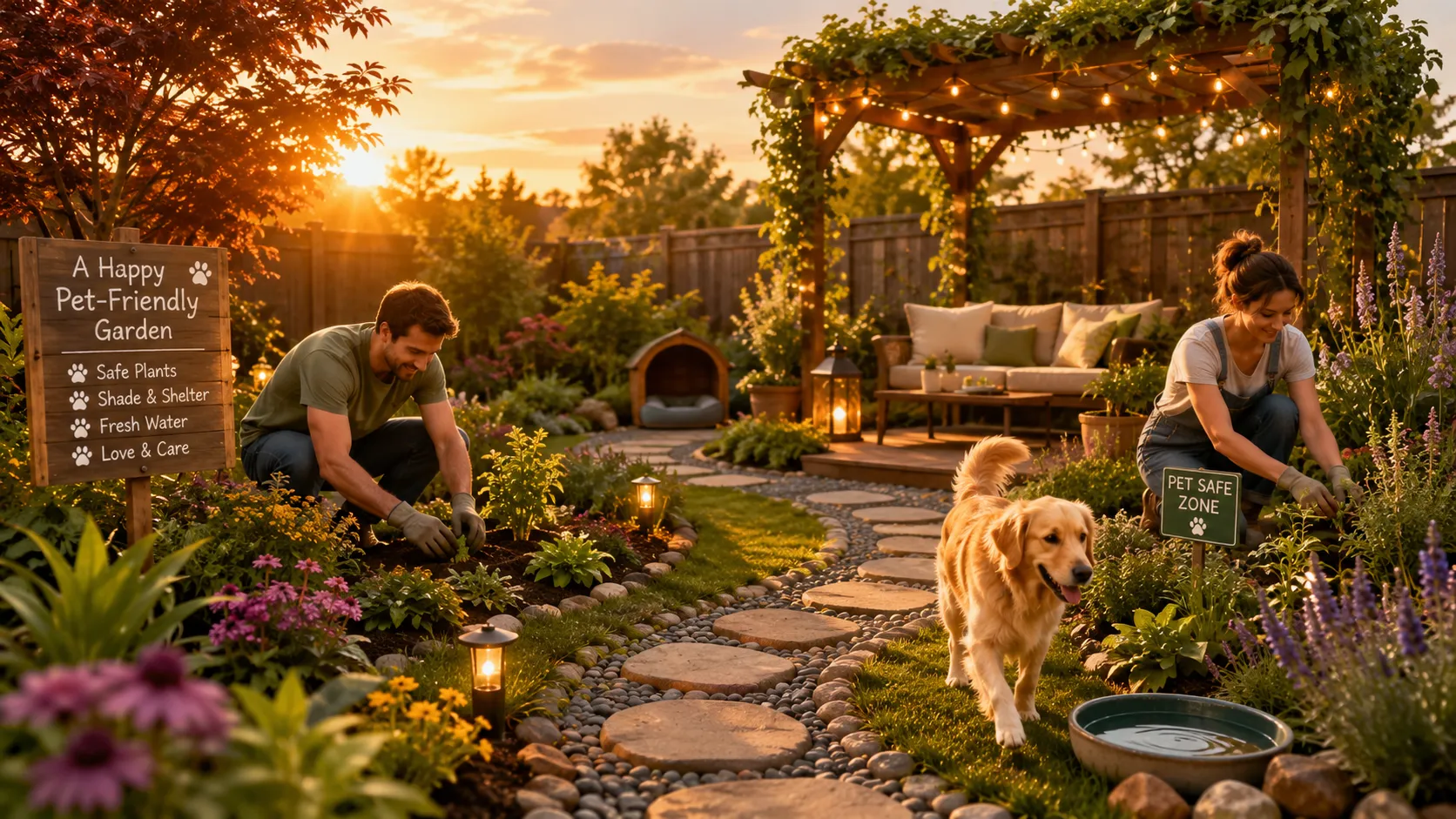
A garden should feel like a sanctuary, not just for people, but for the furry companions who sprint across the lawn, nap under shrubs, and investigate every leaf like amateur detectives. Anyone who has watched a dog dig straight through a flower bed or seen a cat chew suspiciously on a plant knows one thing: traditional landscaping and pets do not always mix well. The good news? You do not need to choose between a beautiful outdoor space and a safe environment for your animals.
Recent guidance from the ASPCA and veterinary experts continues to highlight how many common garden materials and plants can seriously harm pets. Toxic plants like lilies, azaleas, sago palms, and foxglove remain among the biggest hidden dangers in home landscapes. Cocoa mulch, certain fertilizers, and even moldy compost can also trigger severe poisoning symptoms in dogs and cats.
Designing a pet-friendly garden is about understanding how animals behave outdoors. Dogs love open spaces and scent trails. Cats crave shade, climbing opportunities, and safe hiding spots. Rabbits, birds, and pollinators may also become unexpected visitors if your yard welcomes wildlife naturally. A truly balanced garden considers safety, stimulation, comfort, and durability all at once.
Before diving into planting plans and decorative touches, it helps to think like your pet. Imagine the garden from their eye level. What smells tempting? Which corners invite digging? What areas stay cool during hot afternoons? That shift in perspective changes everything about outdoor design.
Why Pet-safe Garden Design Matters More Than Ever
The modern garden has evolved far beyond a simple patch of grass with decorative flowers. Today, outdoor spaces often function as entertainment areas, relaxation zones, mini wildlife habitats, and play areas for pets all at the same time. As more households consider pets part of the family, garden design priorities are shifting dramatically. A stunning landscape may look perfect in a magazine, but if it contains dangerous plants or unsafe chemicals, it becomes a silent hazard waiting to happen.
Veterinary poison centers continue to report thousands of plant-related pet poisoning cases every year. The ASPCA specifically warns about plants like sago palms, oleander, foxglove, and lilies, which can cause severe organ damage or even death in animals. Lilies are especially dangerous for cats because even small exposures can trigger kidney failure. That reality catches many owners by surprise because some of these plants are sold everywhere in garden centers without prominent warning labels.
Pet-safe gardening is not only about avoiding toxicity. Physical injuries matter too. Sharp gravel can hurt paws. Poor fencing can lead to escapes. Standing water may attract mosquitoes and parasites. Even decorative mulch can become dangerous if swallowed. A pet-friendly yard reduces these risks while still maintaining beauty and functionality.
Think of your garden as an outdoor living room shared with creatures who experience the world through scent, touch, and curiosity. Dogs sniff first and think later. Cats leap before checking stability. Puppies chew almost everything. Designing with these instincts in mind creates harmony instead of constant frustration.
Understanding Natural Pet Behaviors Outdoors
Pets are not trying to destroy gardens on purpose. They are simply following deeply ingrained instincts. Dogs patrol territory, dig to cool down, chase movement, and investigate smells. Cats prefer elevated observation points, hidden resting spaces, and soft soil for scratching. Once you understand these behaviors, garden planning becomes much easier.
A dog repeatedly running the same route around the yard often creates what experts call a “patrol track.” Instead of fighting it, smart gardeners intentionally design durable pathways in those areas using gravel alternatives, pavers, or resilient grass varieties. Trying to preserve delicate flowers in a high-traffic dog route rarely ends well.
Digging is another misunderstood behavior. Dogs may dig because they are bored, overheated, anxious, or attracted to underground smells. Creating a designated digging zone filled with loose soil or sand can redirect that instinct naturally. Some owners even bury toys in these areas to encourage appropriate digging behavior.
Cats, meanwhile, tend to explore vertically. They enjoy shelves, logs, climbing structures, and partially hidden corners. A garden with layered heights feels safer and more stimulating for them. Adding shaded retreats under shrubs or benches creates calming hideaways where cats can relax without stress.
When landscaping works with animal behavior instead of against it, maintenance becomes easier and pets become calmer outdoors.
Planning a Safe Garden Layout
A successful pet-friendly garden starts with structure. Before planting anything, it helps to divide the outdoor space into zones based on activity and purpose. This approach prevents constant conflicts between pets and plants while making the garden more enjoyable for everyone.
One of the biggest mistakes people make is treating the entire yard equally. Pets do not use gardens that way. Dogs naturally gravitate toward open running spaces, shaded resting spots, and boundaries they can patrol. Cats often prefer quieter corners with elevated viewpoints. If you design around those tendencies from the beginning, your garden becomes both more practical and more beautiful.
A good layout typically includes:
| Garden Zone | Purpose |
|---|---|
| Open Play Area | Running, chasing, exercise |
| Quiet Shade Zone | Cooling and resting |
| Protected Plant Beds | Decorative or delicate plants |
| Digging Area | Redirects destructive digging |
| Wildlife Corner | Pollinator-friendly habitat |
This kind of organization creates balance. Instead of constantly telling your dog “no,” the environment itself guides safer behavior.
Separating Play Zones From Delicate Areas
One clever landscaping trick is using subtle physical boundaries instead of harsh barriers. Raised beds, decorative edging, or low shrubs can naturally separate energetic pet areas from fragile plants. This keeps the yard visually open while protecting vulnerable greenery.
Dogs especially benefit from having a dedicated running lane. A narrow path around the perimeter satisfies their instinct to patrol territory. Trying to block this behavior often results in flattened flowers and muddy shortcuts anyway. Giving them a clear route reduces wear on the rest of the garden.
For delicate flower beds, strategic fencing works wonders. The fence does not need to look industrial or ugly. Rustic wood borders, woven willow edging, or short metal barriers can blend beautifully into landscaping. Some gardeners even use dense aromatic herbs like rosemary or lavender as natural borders because many dogs dislike pushing through strong scents.
Cats present different challenges. They may jump directly into raised planters or soft soil. Pebble mulch, textured surfaces, or closely spaced plantings can discourage lounging in those areas without harming them.
Choosing Pet-friendly Pathways and Surfaces
Surface materials matter more than most people realize. Hot stone, rough gravel, and chemically treated decking can irritate paws or overheat animals during summer. Comfortable surfaces encourage pets to use the garden safely.
Grass remains one of the best choices for active areas, but not all grass varieties handle heavy traffic equally. Durable blends designed for sports lawns or family yards often recover faster from wear caused by pets. Clover lawns are also becoming increasingly popular because they stay softer and greener with less fertilizer.
Avoid extremely sharp gravel in pet areas. Rounded pea gravel or decomposed granite tends to be gentler underfoot. Artificial turf can work in some climates, but it may become dangerously hot under direct sun.
Pathways should also provide traction. Slippery surfaces near pools or water features increase injury risks, especially for older dogs. Textured pavers or natural stone with grip are safer options.
Plants That Are Safer Around Curious Pets
Choosing the right plants is the heart of a safe garden design. While no plant should become a regular snack for pets, many varieties are generally considered less risky than toxic ornamentals. The challenge is balancing safety with visual appeal because people understandably want their gardens to look vibrant and lush.
The ASPCA maintains one of the most trusted databases for toxic and non-toxic plants, and checking it before purchasing new greenery is always wise. A little research upfront can prevent emergency veterinary visits later.
Flowers and Greenery Commonly Considered Safer
Several popular garden plants are widely regarded as safer choices for households with pets. These include:
| Generally Safer Plants | Notes |
|---|---|
| Spider Plant | Non-toxic but may cause mild stomach upset if overeaten |
| Boston Fern | Popular for shaded areas |
| Areca Palm | Tropical appearance without major toxicity concerns |
| Sunflowers | Bright and generally pet-friendly |
| Marigolds | Usually mild irritation only |
| Snapdragons | Commonly considered safer |
Spider plants have become especially popular among pet owners because they are visually appealing and considered non-toxic for cats and dogs. Even so, moderation matters because chewing large amounts of any plant material can still upset digestion.
Layering safer plants creates a more natural garden aesthetic. Tall ornamental grasses mixed with flowering perennials produce movement and texture while giving pets interesting scents and hiding spots.
Herbs That Work Well in Pet-friendly Gardens
Herbs are fantastic additions to pet-friendly landscapes because many serve multiple purposes. Rosemary, basil, thyme, parsley, and dill can be useful in cooking while adding pleasant scents to the garden.
Lavender deserves special mention. While concentrated essential oils can be problematic, lavender plants themselves are often used in pet gardens because their scent may help repel pests naturally. The soft purple blooms also attract pollinators beautifully.
Mint can work too, though it spreads aggressively. Planting it in containers prevents takeover. Catnip is another obvious favorite for feline households, turning a simple corner of the garden into an entertainment zone for cats.
Toxic Plants Every Pet Owner Should Avoid
Some plants simply are not worth the risk when pets are present. Many of the most dangerous species remain incredibly common in decorative landscaping, which is why accidental poisonings continue happening year after year.
Dangerous Flowers and Shrubs
The ASPCA consistently identifies several high-risk plants that pet owners should avoid whenever possible. These include:
- Sago palms
- Oleander
- Foxglove
- Azaleas
- Rhododendrons
- Lilies
- Autumn crocus
- Cyclamen
Sago palms are particularly notorious because every part of the plant is toxic, especially the seeds. Ingestion can lead to liver failure and death.
Oleander and foxglove contain compounds affecting heart rhythm. Even small exposures may cause severe symptoms. Azaleas and rhododendrons can trigger neurological and cardiac complications in dogs and cats.
Why Bulbs and Lilies Are Especially Risky
Bulbs often create hidden hazards because pets may dig them up. Tulips, daffodils, crocuses, and hyacinths contain concentrated toxins in their bulbs. Dogs that enjoy digging are especially vulnerable.
Lilies deserve extra caution in homes with cats. According to veterinary experts, even pollen exposure or drinking water from a vase containing lilies can be deadly for felines. That level of toxicity makes them one of the most dangerous ornamental plants for cat owners.
Hidden Garden Hazards Many Owners Miss
The biggest garden dangers are not always obvious. Sometimes the most harmful items are products people intentionally use to improve landscaping.
Cocoa Mulch and Compost Dangers
Cocoa mulch smells like chocolate because it comes from cocoa bean shells. Unfortunately, it contains theobromine and caffeine, the same toxic compounds found in chocolate. Dogs are especially attracted to the scent. Veterinary experts strongly recommend avoiding cocoa mulch entirely in pet households.
Compost piles can also become dangerous when mold develops. Certain molds produce tremorgenic toxins capable of causing seizures and severe neurological symptoms in pets. Moldy food scraps, grapes, onions, and garlic in compost may increase risks further.
Covered compost systems are much safer than open piles when pets roam freely outdoors.
Fertilizers, Pesticides, and Slug Baits
Chemical lawn products present another major concern. Fertilizers may irritate the digestive system or cause neurological symptoms if consumed in large amounts. Some products also contain added pesticides, increasing toxicity further.
Slug and snail baits are especially dangerous because they often taste appealing to dogs. Many poisoning cases occur because owners underestimate how attractive these pellets can be.
Natural gardening methods dramatically reduce these risks. Compost tea, manual weed removal, companion planting, and physical pest barriers can replace many harsh chemicals entirely.
Creating Comfortable Shade and Resting Areas
Pets experience heat differently than humans. Dogs cool themselves primarily through panting, making shaded outdoor spaces essential during warmer months. A thoughtfully designed resting zone can prevent overheating while encouraging pets to spend more calm, relaxed time outside.
Natural shade usually works better than artificial shelter because it stays cooler. Trees with broad canopies create comfortable temperature pockets underneath them. Layered shrubs can also block harsh afternoon sunlight while maintaining airflow.
Raised pet platforms, shaded benches, or covered pergolas offer additional cooling opportunities. Some dogs prefer lying on cool stone surfaces, while others seek soft grass beneath trees. Providing multiple texture options helps pets choose what feels best.
Cooling Features for Hot Weather
Water features can improve comfort dramatically. Even a shallow pet-safe splash zone or circulating fountain creates cooler microclimates in the garden. Fresh water availability is equally important.
Cooling strategies include:
- Shade sails
- Dense tree planting
- Elevated airflow beneath decks
- Cooling mats
- Misting systems
- Fresh water stations
Avoid dark surfaces that absorb excessive heat. Artificial turf, black stone, and metal features may become dangerously hot in direct sun.
Natural Ways to Protect Pets From Pests
Ticks, fleas, mosquitoes, and biting insects can turn a beautiful garden into an uncomfortable environment quickly. The challenge is controlling pests without exposing animals to harmful chemicals.
One effective approach involves encouraging natural biodiversity. Birds, beneficial insects, frogs, and bats all help reduce pest populations naturally. Native plants attract these helpful creatures while supporting healthier ecosystems overall.
Flea, Tick, and Mosquito Prevention Outdoors
Keeping grass trimmed reduces tick habitat significantly. Removing standing water limits mosquito breeding. Cedar mulch may also help deter fleas naturally, though some animals can be sensitive to aromatic oils.
Certain plants are commonly associated with pest-repelling properties:
| Plant | Common Use |
|---|---|
| Lavender | May discourage mosquitoes |
| Rosemary | Often used near patios |
| Lemongrass | Associated with citronella scent |
| Basil | Popular around seating areas |
Natural pest control focuses on prevention rather than aggressive chemical elimination. A balanced ecosystem usually experiences fewer severe infestations over time.
Balancing Open Play Space With Delicate Plants
Many pet owners assume they must sacrifice beauty for durability, but smart design makes both possible. The trick lies in creating intentional contrast between active and decorative zones.
Large open lawns give dogs space to sprint and burn energy. Around those spaces, reinforced planting beds protect more fragile flowers. Raised planters work especially well because they physically separate roots from digging paws.
Smart Border and Fence Solutions
Living borders can soften boundaries beautifully. Dense shrubs, ornamental grasses, and low hedges create subtle guidance without making the garden feel closed off.
Some homeowners also use:
- Decorative trellises
- Split-rail fencing
- Stone edging
- Elevated container gardens
These features preserve visual elegance while protecting vulnerable plants from trampling.
Keeping Digging and Chewing Under Control
Punishing pets for natural behavior rarely solves garden problems long term. Redirection works far better.
Dogs dig for many reasons:
- Boredom
- Cooling
- Hunting scents
- Anxiety
- Entertainment
A designated digging area gives them an appropriate outlet. Filling a sandbox-style section with loose soil and hidden toys encourages healthy exploration.
Redirecting Natural Behaviors Without Punishment
Chewing can often be reduced by increasing stimulation. Interactive toys, scent games, and rotating garden activities prevent boredom. Some dogs chew plants simply because nothing else feels interesting outdoors.
Texture variation also helps. Logs, smooth stones, grass patches, and sensory pathways create richer experiences for curious animals.
Cats benefit from climbing structures, scratching posts, and elevated observation points. A bored cat usually becomes a destructive cat.
Making the Garden Enjoyable for Both Pets and Wildlife
A truly successful garden supports more than just household pets. Birds, butterflies, bees, and beneficial insects all contribute to healthier ecosystems.
The key is balance. Wildlife-friendly design should not expose pets to unnecessary risks. Avoid poisonous bait products and choose bird feeders positioned away from jumping cats.
Encouraging Birds and Pollinators Safely
Native flowers attract pollinators naturally while requiring less maintenance. Layered planting also creates shelter for small creatures.
Helpful additions include:
- Pollinator gardens
- Bird baths
- Bee-friendly flowers
- Native shrubs
- Small water sources
Pets often enjoy watching wildlife activity too. A dog lounging beneath a tree while birds flutter overhead creates the kind of peaceful atmosphere most people dream about when imagining a garden retreat.
Conclusion
Creating a pet-friendly garden is not about limiting creativity. It is about designing with awareness, empathy, and intention. The safest outdoor spaces are the ones that respect how animals naturally explore the world. When pets have room to run, cool places to rest, safe plants to investigate, and stimulating environments that redirect destructive habits, the entire garden becomes more harmonious.
Small choices matter enormously. Replacing toxic plants, avoiding cocoa mulch, using natural pest control methods, and building shaded rest areas can prevent serious accidents while improving everyday comfort for pets. At the same time, thoughtful layouts protect delicate flowers and encourage wildlife to thrive alongside your animals.
A great pet-friendly garden feels alive. It is not sterile or restrictive. Birds visit, pollinators buzz, dogs stretch in the shade, and cats watch quietly from elevated corners. The result is a landscape that works with nature instead of constantly fighting against it.
FAQs
1. What are the safest garden plants for dogs and cats?
Spider plants, Boston ferns, areca palms, sunflowers, and many herbs like basil and rosemary are commonly considered safer options for pets. Always verify plant safety using trusted resources like the ASPCA database before planting.
2. Why is cocoa mulch dangerous for dogs?
Cocoa mulch contains theobromine and caffeine, the same compounds that make chocolate toxic to dogs. Ingesting it can cause vomiting, tremors, seizures, and serious heart problems.
3. How can I stop my dog from digging in flower beds?
Provide a designated digging zone filled with loose soil or sand. Bury toys or treats there to encourage use. Raised beds and physical borders can also help protect delicate plants.
4. Are lilies really dangerous for cats?
Yes. Many true lilies are extremely toxic to cats, and even small exposures to pollen or vase water can cause kidney failure.
5. What natural pest control methods are safer around pets?
Keeping grass trimmed, removing standing water, encouraging beneficial wildlife, and using plants like lavender or rosemary are safer alternatives to heavy chemical pesticide use.

Corbin Hale is a 29-year-old American content writer based in Boise, Idaho. He has spent several years creating well-researched articles about pets, home living, and practical lifestyle topics while contributing to websites such as pawlogic.online. His writing focuses on accuracy, reader-friendly explanations, and trustworthy information supported by careful research and real-world experience.