

Cats are masters of mysterious behavior. One minute they are sprinting through the hallway at top speed like tiny furry athletes, and the next they are pressing their paws rhythmically into a blanket, pillow, or even your stomach as if they are preparing dough in a bakery. Cat lovers affectionately call this behavior “making biscuits,” but veterinarians and animal behaviorists know it as kneading.
If you have ever wondered why your cat does this, you are definitely not alone. Recent veterinary behavior articles from sources like and explain that kneading is deeply connected to instinct, comfort, communication, and emotional regulation in cats.
What Exactly Is Cat Kneading?
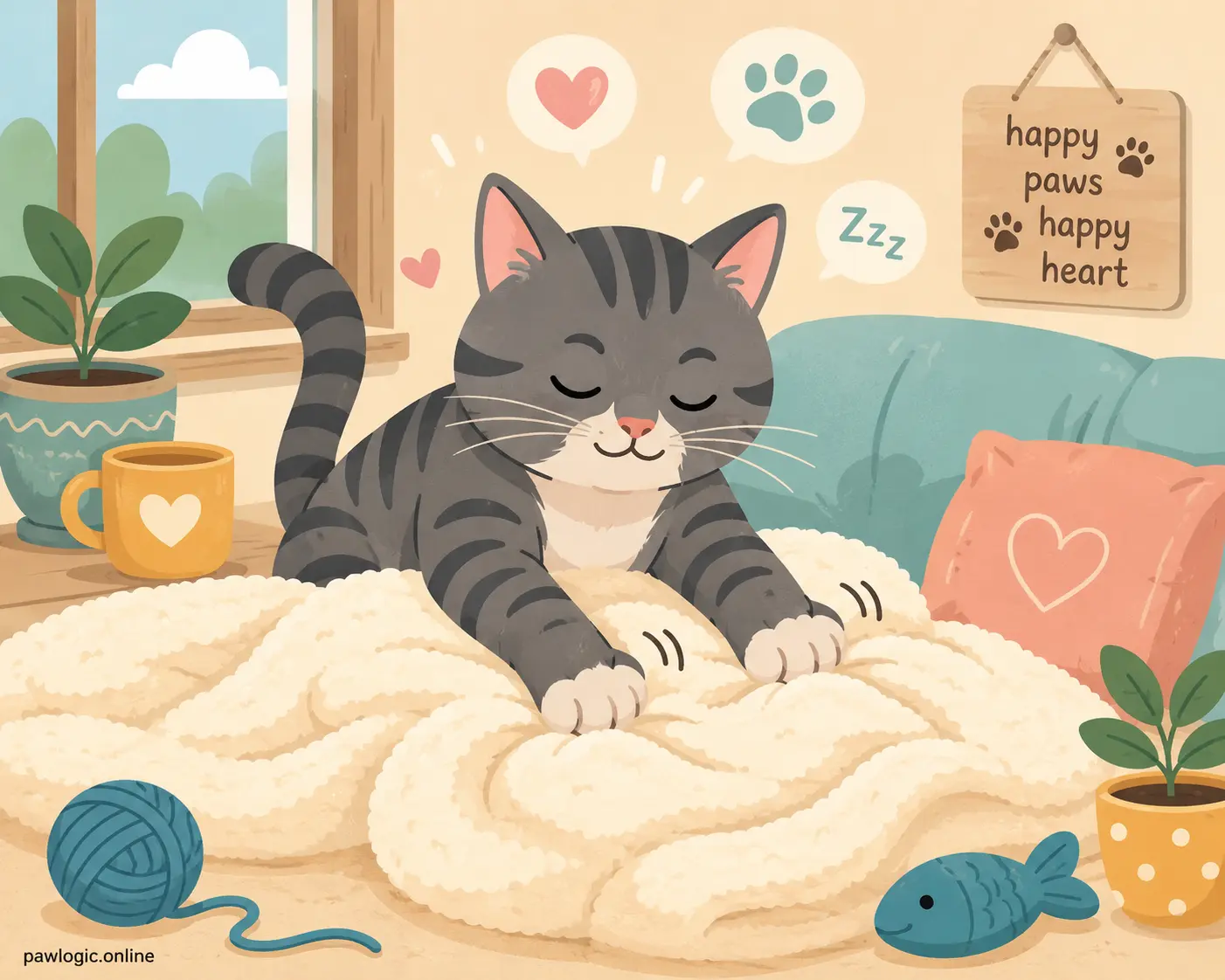
If you have never seen kneading before, it can look pretty funny. A cat presses one paw down, then the other, over and over in a slow rhythmic motion. Some cats appear almost hypnotized while doing it. Others stare into space with half-closed eyes as if they are reliving the best nap of their lives. This motion is what cat owners lovingly describe as making biscuits, because it resembles the way bakers knead bread dough.
Veterinary experts explain that kneading is completely normal feline behavior. According to recent guidance published by , kittens begin kneading while nursing because the movement stimulates milk production from their mother. That early-life connection between food, warmth, and security becomes deeply wired into a cat’s emotional system.
Cats usually knead soft surfaces such as blankets, pillows, pet beds, couches, or human laps. The texture matters. Soft materials mimic the comfort and warmth they experienced as kittens with their mother and littermates. Some cats even suckle on fabric while kneading, which further reinforces the idea that this behavior is tied to early nursing memories.
One interesting thing is that not all cats knead with the same intensity. Some barely move their paws, while others practically perform a full-body massage session on your legs. Personality, breed tendencies, emotional state, and environment all influence how frequently a cat kneads. Just like humans have different comfort habits, cats do too. One cat may purr quietly while kneading once a day, while another turns every fluffy blanket into a full-time bakery.
Why People Call It “Making Biscuits”
The nickname comes entirely from the visual similarity to kneading dough. Imagine a baker rhythmically pressing bread dough with both hands. Now shrink that baker down, add whiskers and a tail, and suddenly you have a cat making biscuits on your favorite blanket.
The term has exploded online because cat owners find the behavior adorable and oddly relatable. Social media videos featuring biscuit-making cats regularly gain millions of views. The combination of tiny paws, focused concentration, and loud purring creates an almost therapeutic experience for people watching.
Common Surfaces Cats Knead On
Cats are selective about where they knead. Most choose:
| Surface | Why Cats Prefer It |
|---|---|
| Blankets | Soft texture and warmth |
| Human laps | Emotional bonding and security |
| Pillows | Comfortable and plush |
| Cat beds | Associated with rest and relaxation |
| Other pets | Social bonding or affection |
These preferences are not random. They are strongly tied to comfort, scent, and emotional familiarity.
The Comforting Instinct Behind Kneading Behavior
The roots of kneading go all the way back to kittenhood. When kittens nurse from their mother, they instinctively push their paws against her belly to encourage milk flow. It is one of the first comforting routines they ever learn. Think about that for a second. Before kittens even fully understand the world around them, they already associate kneading with nourishment, warmth, safety, and survival.
Animal behavior specialists note that this emotional connection often continues into adulthood. explains that many adult cats knead because it recreates feelings of calm and contentment linked to nursing. In other words, kneading is almost like an emotional time machine for cats.
That explains why kneading usually happens when cats are extremely relaxed. You will often notice it right before a nap or during quiet bonding moments. Some cats climb onto their owner’s lap, circle around for a while, then begin kneading while purring deeply. It is basically the feline version of wrapping yourself in a cozy blanket during a rainy day.
Wild feline ancestors likely contributed to this instinct too. Experts believe wild cats used kneading motions to flatten grass and create comfortable sleeping areas. Even though modern indoor cats have luxurious beds and heated blankets, those ancient instincts still remain buried in their DNA. Nature has a funny way of preserving habits long after their original purpose changes.
How Kittens Learn Kneading During Nursing
Kittens start kneading almost immediately after birth. The behavior is automatic rather than taught. Their paws push against the mother cat’s mammary glands to stimulate milk production, helping them feed more efficiently.
Because nursing is associated with warmth, maternal care, and security, the action becomes emotionally rewarding. Scientists and veterinarians often describe kneading as a self-soothing mechanism rooted in early development. It is not something cats consciously decide to do. Their brains simply connect the movement with comfort.
Why the Habit Continues Into Adulthood
Adult cats keep kneading because the emotional benefits never really disappear. Much like humans return to nostalgic comfort foods or favorite childhood routines, cats return to kneading when they feel content or emotionally attached to someone.
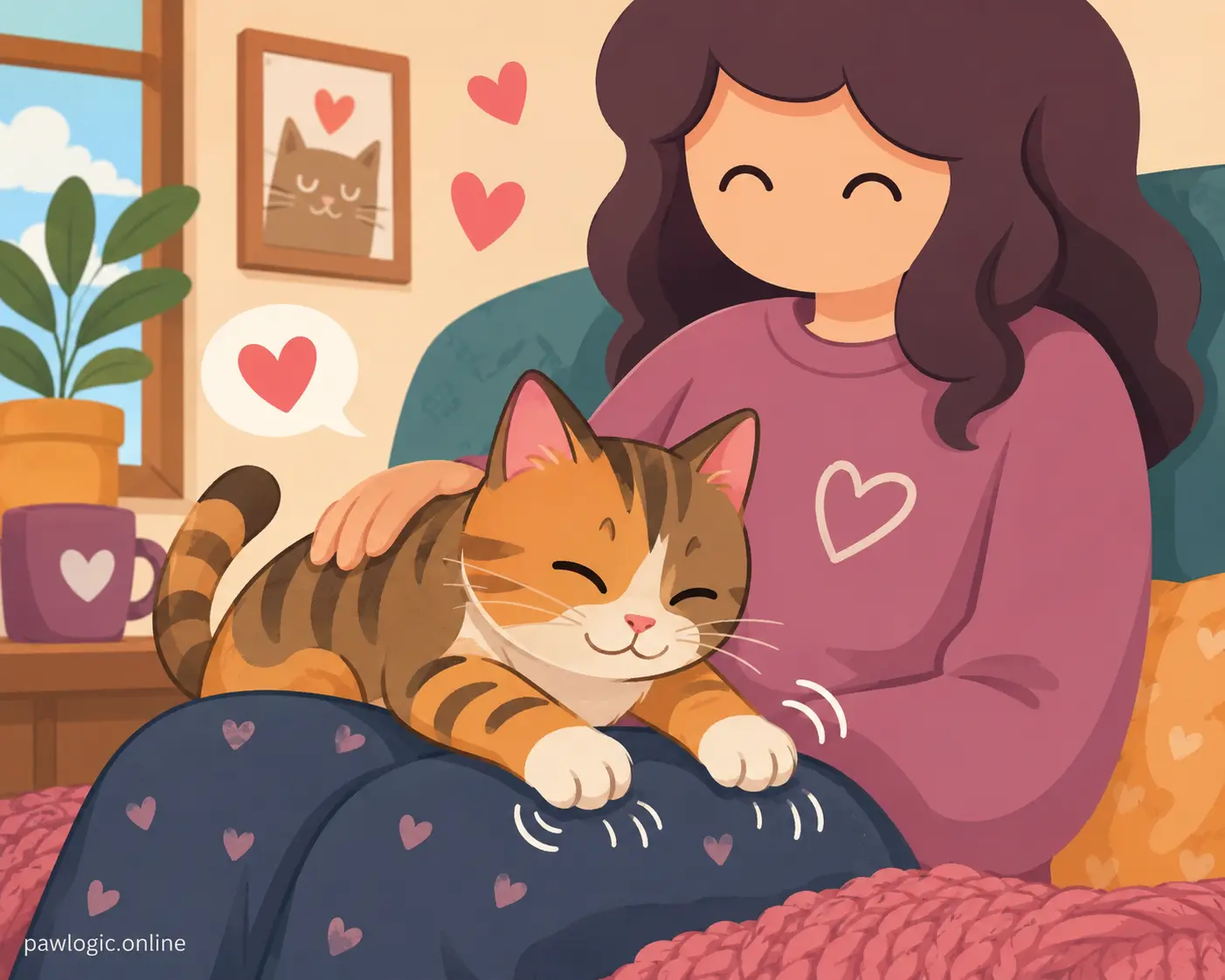
This is why many cats knead their owners specifically. It signals trust, affection, and emotional security.
Why Cats Often Knead Soft Blankets and People
Blankets and humans are basically jackpot comfort zones for cats. Soft blankets mimic the texture of fur and warmth, while people provide emotional connection and safety. When a cat kneads your lap, it is not trying to annoy you or ruin your jeans. In many cases, it is actually a compliment.
According to veterinary behavior experts, cats often knead people because they associate them with security and affection. Cats are cautious creatures by nature. They do not expose vulnerable behaviors around individuals they do not trust. A kneading cat is usually a relaxed cat.
There is also a scent-marking component involved. Cats have scent glands located in their paw pads. When they knead, they leave subtle pheromones behind. It is their quiet way of saying, “This is my safe place.” If your cat kneads you regularly, congratulations; you have officially been claimed as emotionally important real estate.
Some cats become especially attached to certain fabrics. Fleece blankets, fuzzy robes, and plush comforters are common favorites because they provide the perfect combination of softness and warmth. Certain textures may even resemble their mother’s fur from kittenhood, reinforcing that emotional memory even more strongly.
Soft Textures Trigger Emotional Comfort
Texture matters more than many owners realize. Cats are highly sensitive to tactile experiences. Soft surfaces activate feelings of security and relaxation, making them ideal kneading targets.
This explains why many cats completely ignore rough surfaces but instantly begin kneading a freshly washed blanket straight out of the dryer.
Kneading Humans as a Sign of Trust
Cats do not casually display vulnerability. If a cat climbs onto your chest and starts kneading while purring, it means they feel deeply safe around you. That behavior represents emotional trust, bonding, and affection.
In the cat world, that is a huge deal.
Different Emotions Cats Express While Making Biscuits
Kneading is not tied to just one emotion. Cats use it to express a surprisingly wide emotional range. Happiness is the most obvious one, but it is not the only explanation. Cats also knead when they are anxious, overstimulated, affectionate, sleepy, or trying to self-soothe.
Recent veterinary discussions published by mention that some cats appear almost trance-like during kneading sessions, particularly when accompanied by purring or drooling. That deeply relaxed state suggests kneading can function almost like emotional regulation.
Interestingly, stress can increase kneading behavior too. Some cats knead more during changes in environment, after moving homes, or when introduced to unfamiliar pets. In those situations, kneading acts as a coping mechanism that helps restore feelings of familiarity and calm.
Territorial communication also plays a role. Because cats release scent from their paws while kneading, the action can reinforce ownership and emotional familiarity. Your cat may be combining comfort with territorial reassurance every time they knead your blanket.
Happiness and Relaxation
Most kneading happens during moments of comfort. Signs include:
- Slow blinking
- Gentle purring
- Relaxed posture
- Half-closed eyes
- Curling up afterward
These signals indicate emotional security and contentment.
Stress Relief and Self-Soothing
Some cats knead more frequently during stressful periods. Environmental changes, loud noises, loneliness, or separation anxiety may trigger additional kneading as a calming response.
Territory Marking Through Paw Scent Glands
Cats communicate heavily through scent. Kneading deposits pheromones from the paws onto surfaces and people, subtly marking them as familiar and safe.
When Purring, Claws, and Drooling Become Part of the Ritual
Some cats turn kneading into a full sensory performance. They purr loudly, drool slightly, extend their claws, or even suckle on fabric while kneading. For first-time cat owners, this can seem strange or even concerning. Most of the time, though, these behaviors are completely normal.
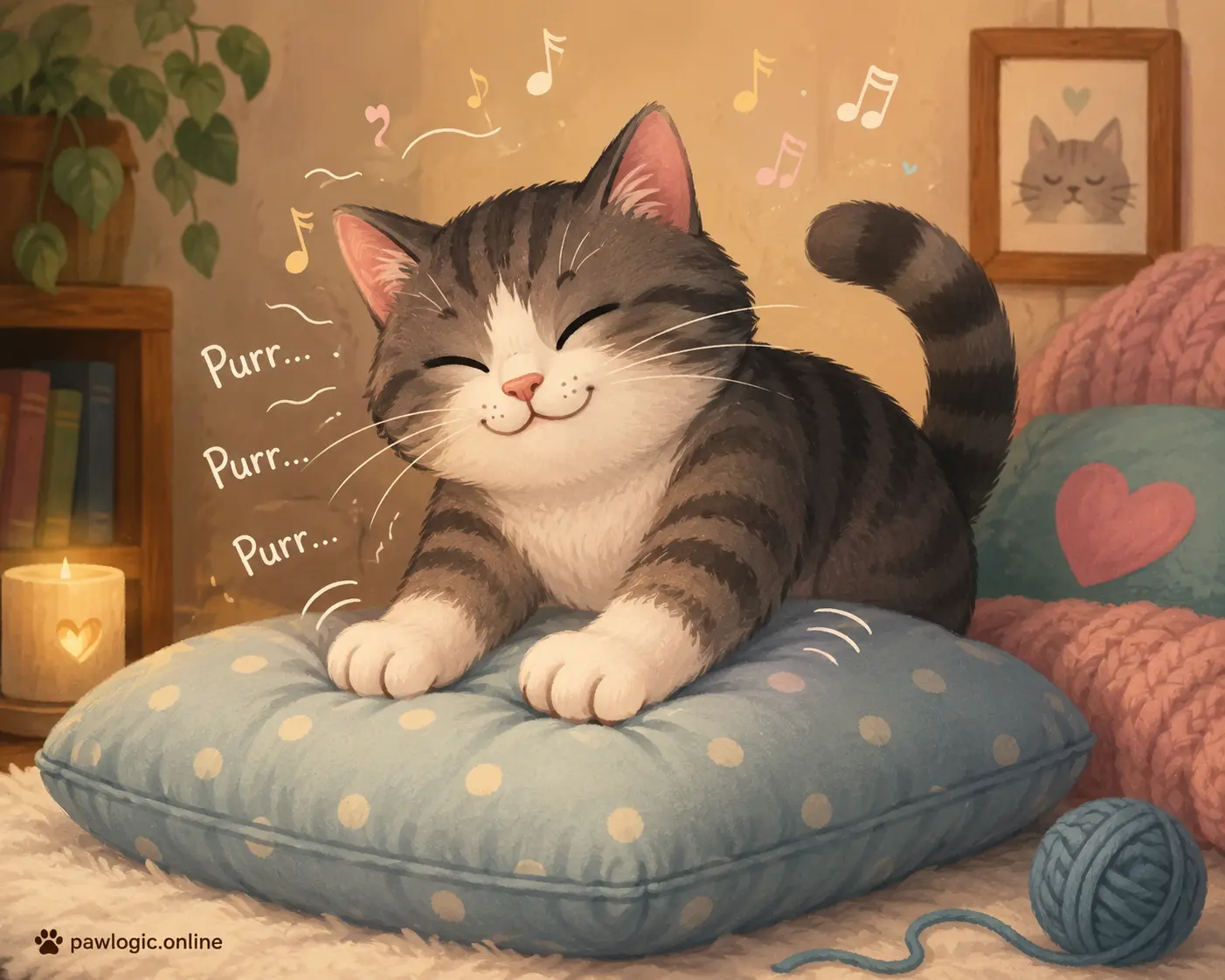
Purring during kneading is especially common because both behaviors are linked to relaxation and emotional comfort. Think of it like a cat entering a deeply calm mental state. Their body language often becomes loose and sleepy, almost as if they are drifting into a dream.
Drooling is another surprisingly normal behavior. Veterinary sources explain that some cats drool while kneading because the action triggers strong memories connected to nursing and maternal comfort. The emotional intensity of that comforting memory can activate salivation.
Claws are a slightly less pleasant part of the experience for human legs and furniture. Some cats keep their claws retracted while kneading, while others extend them fully. It is rarely aggressive. Instead, the claw extension often happens automatically during the rhythmic paw motion.
Why Some Cats Purr Loudly While Kneading
Purring and kneading are closely linked because both behaviors appear during emotionally comforting moments. Loud purring generally signals relaxation and trust.
The Meaning Behind Drooling
Mild drooling during kneading is usually harmless. It often reflects intense relaxation or emotional regression back to comforting kittenhood memories.
Why Claws Sometimes Come Out
Cats do not always control claw extension during kneading. Their paws flex naturally during the motion, causing claws to appear unintentionally.
Situations That Can Increase Kneading Habits
Certain life situations can increase how often a cat kneads. Moving to a new home, changes in routine, new pets, or emotional stress may all intensify the behavior. Some cats become extra clingy and affectionate during uncertain periods, and kneading becomes part of that coping process.
Interestingly, some online cat communities report increased kneading during colder seasons or after introducing especially soft bedding. Reddit discussions frequently describe cats obsessively kneading newly purchased blankets or fuzzy beds. While anecdotal, these stories align with expert observations that texture and emotional comfort strongly influence the behavior.
Breed tendencies may matter too. Breeds known for high affection levels, such as Ragdolls or Siamese cats, often appear more physically expressive with kneading and cuddling behaviors. Personality differences are equally important. Some cats simply enjoy physical comfort rituals more than others.
Age can also influence kneading frequency. Senior cats sometimes knead more because it stretches muscles and joints gently. Younger cats may knead intensely during developmental stages or periods of emotional attachment.
Environmental Changes
Cats thrive on routine. Major disruptions may increase kneading because it helps restore emotional familiarity.
Anxiety and Emotional Attachment
Cats with strong attachments to owners often knead during cuddling sessions as a bonding behavior.
Breed and Personality Differences
Some cats naturally knead more than others. Personality, genetics, and emotional sensitivity all play roles.
Is There Ever a Reason to Worry About Excessive Kneading?
Most kneading is harmless and healthy. Still, there are situations where unusually excessive kneading deserves attention. Veterinary experts caution that sudden increases in kneading behavior can sometimes signal stress, anxiety, pain, or compulsive behavior patterns.
For example, if a cat suddenly begins kneading obsessively for long periods while vocalizing, hiding, or acting aggressively, it may indicate emotional distress. Some cats also become fixated on specific fabrics and begin suckling excessively. In rare cases, this can develop into compulsive behavior.
Pain may also contribute. Older cats with arthritis occasionally knead more because the movement stretches muscles and joints. If kneading is paired with limping, reduced mobility, or unusual irritability, a veterinary evaluation is a smart idea.
Behavior changes matter more than the behavior itself. A lifelong biscuit-maker is probably perfectly normal. A cat that suddenly develops intense kneading habits alongside other behavioral shifts may need medical or behavioral assessment.
Behavioral Red Flags
Potential warning signs include:
| Behavior | Possible Concern |
|---|---|
| Sudden obsessive kneading | Anxiety or compulsive behavior |
| Aggressive reactions during kneading | Overstimulation or stress |
| Excessive drooling with lethargy | Possible medical issue |
| Vocal distress while kneading | Discomfort or anxiety |
| Major behavior changes | Veterinary evaluation recommended |
When to Contact a Veterinarian
Consult a veterinarian if kneading becomes sudden, obsessive, aggressive, or paired with physical symptoms like pain, appetite changes, or lethargy.
Gentle Ways to Redirect the Behavior if Needed
Even though kneading is adorable, it can become uncomfortable when sharp claws meet bare skin. Furniture may also suffer when enthusiastic biscuit-making sessions happen daily on couches or bedding. The key is redirection rather than punishment.
Veterinary behaviorists strongly advise against punishing cats for kneading because it is instinctive and emotionally comforting. Punishment can increase anxiety and actually worsen the behavior.
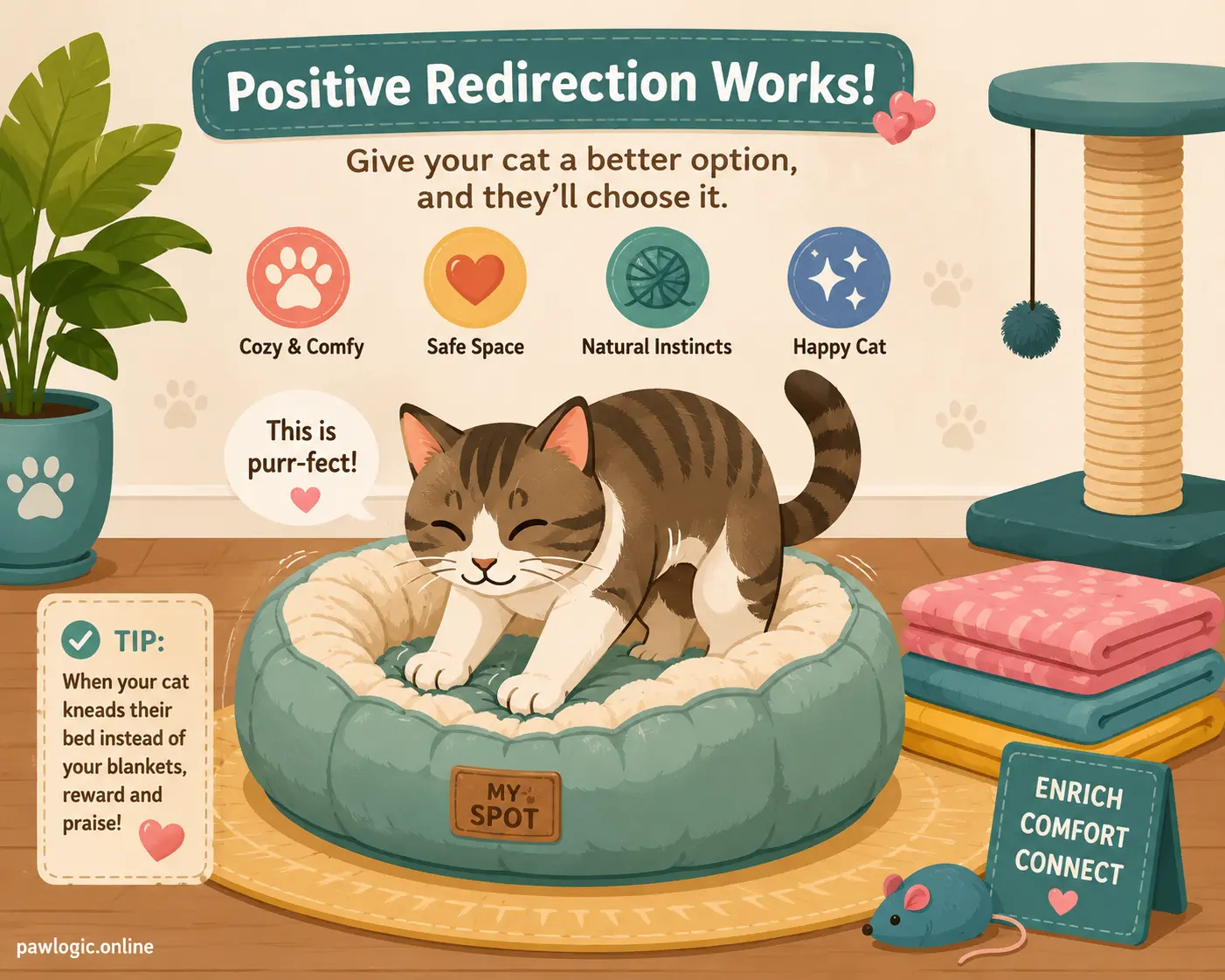
Instead, create appropriate kneading alternatives. Thick blankets, designated cat beds, and plush cushions work extremely well. If your cat starts kneading painfully on your lap, gently place a blanket between you and the paws. Problem solved without hurting the emotional bond.
Regular nail trimming also helps tremendously. Keeping claws short reduces accidental scratches while allowing the cat to continue natural behaviors comfortably. Positive reinforcement works better than correction. When cats use approved kneading spots, reward them with affection or treats.
Environmental enrichment matters too. Cats with stimulating routines, scratching posts, climbing areas, and interactive play sessions often regulate stress more effectively overall.
Protecting Your Furniture and Skin
Simple strategies include:
- Keeping nails trimmed
- Using thick blankets
- Offering plush kneading beds
- Redirecting gently without scolding
Creating Positive Alternatives
Provide soft designated kneading zones your cat associates with comfort and reward.
Conclusion
When a cat makes biscuits, it is usually expressing comfort, trust, affection, and emotional security. Kneading begins in kittenhood during nursing, but the emotional meaning stays deeply rooted throughout adulthood. Blankets, laps, and soft surfaces become safe spaces where cats recreate feelings of warmth and safety.
Purring, drooling, and even claws are often normal parts of the ritual. Most of the time, kneading is one of the clearest signs that a cat feels relaxed and emotionally connected. It is essentially your cat’s version of comfort therapy.
At the same time, excessive or suddenly intense kneading can occasionally point toward anxiety, pain, or behavioral issues. Paying attention to changes in frequency and context helps owners distinguish between healthy comfort behavior and something that deserves veterinary attention.
The next time your cat climbs onto your lap and starts rhythmically pressing tiny paws into your blanket, you will know something important: your cat is not just making biscuits. They are expressing instinct, memory, comfort, and trust all at once.
FAQs
1. Why do cats knead before sleeping?
Cats often knead before sleeping because it helps them relax and prepare a comfortable resting spot. The behavior may also connect to ancient instincts from wild cats flattening grass for bedding.
2. Is it normal for cats to drool while kneading?
Yes, mild drooling during kneading is usually normal. Many cats become deeply relaxed and emotionally comforted during the behavior.
3. Why does my cat knead me but not other people?
Cats knead individuals they trust and feel emotionally connected to. Your cat likely sees you as a source of safety and comfort.
4. Should I stop my cat from kneading blankets?
No, kneading is natural and emotionally healthy for most cats. If it becomes destructive or uncomfortable, gentle redirection works better than punishment.
5. Can excessive kneading indicate stress?
Yes, sudden increases in kneading may sometimes reflect anxiety, stress, pain, or compulsive behavior. If the behavior changes dramatically, consult a veterinarian.

Dashiell Riggs is a 36-year-old American blogger from Asheville, North Carolina, with extensive experience writing educational and evergreen online content. As a regular contributor to pawlogic.online, he specializes in creating clear, engaging articles backed by reliable sources, making complex topics easy for readers to understand while maintaining strong editorial standards.