

Dog owners expect a little bit of “dog smell.” Wet fur, muddy paws, and the occasional mysterious odor from rolling in something questionable all come with the territory. But when your dog opens its mouth and the smell hits like a wall of rotten garbage mixed with decay, that is not something to ignore. Many pet parents joke about “dragon breath,” yet severely foul-smelling breath in dogs is often the body waving a red flag.
Veterinary experts consistently point toward dental disease as the number one cause of chronic bad breath in dogs. Studies cited by veterinary institutions show that 80–90% of dogs over the age of three develop some form of periodontal disease. What starts as simple plaque can quietly turn into painful gum infections, tooth decay, and even health complications affecting the kidneys, liver, and heart.
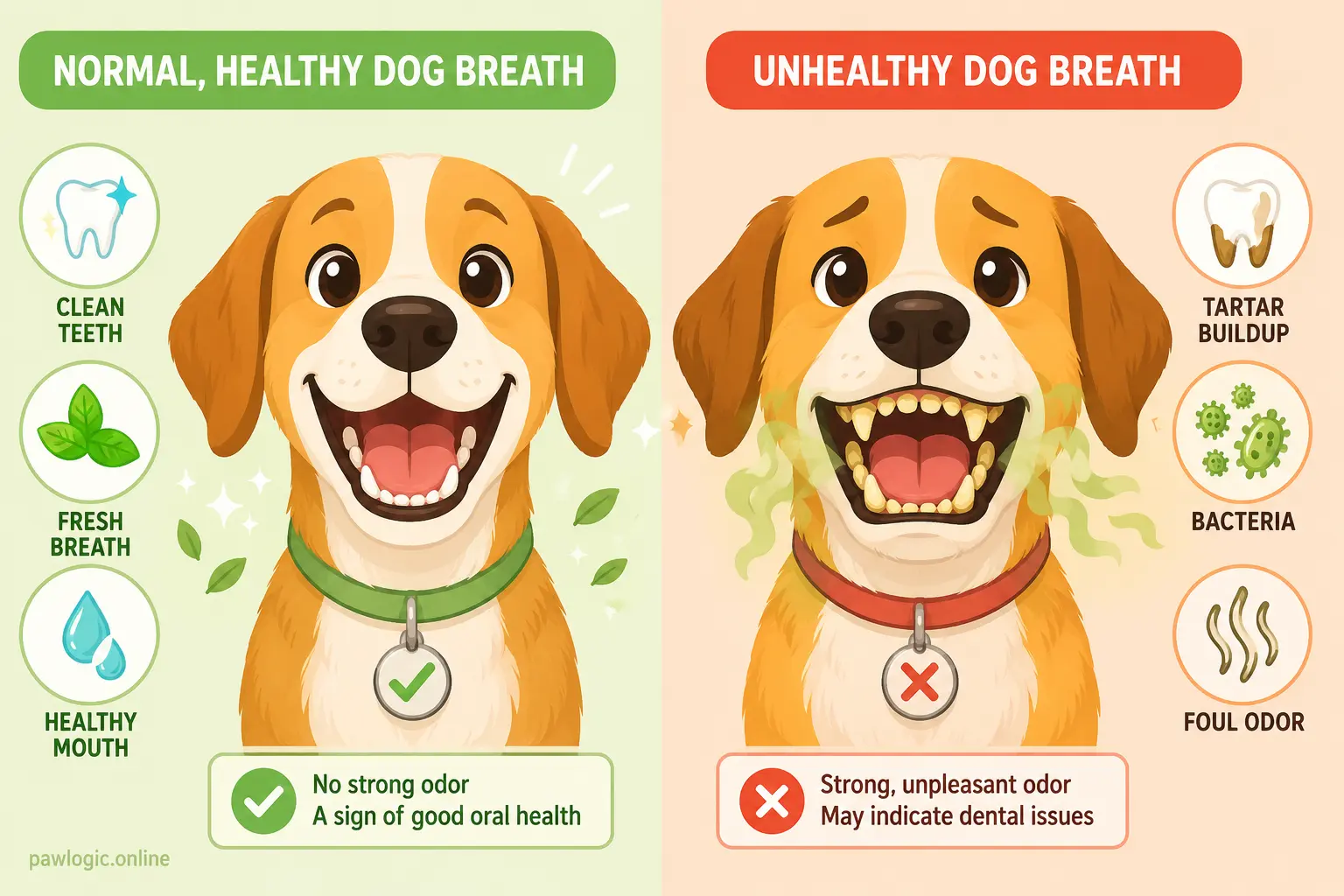
Before jumping into solutions, it helps to understand what normal dog breath should actually smell like. Surprisingly, healthy dog breath usually has only a mild scent. It should not smell sweet, rotten, metallic, fishy, or like ammonia. A healthy mouth smells neutral enough that you barely notice it during cuddles or playtime. If your dog’s breath suddenly becomes overpowering, persistent, or unusually nasty, the problem usually runs deeper than “they just ate something weird.”
What Normal Dog Breath Should Actually Smell Like
A lot of dog owners have accepted terrible breath as part of canine life, but that belief creates a dangerous blind spot. Healthy dog breath is not minty fresh like a toothpaste commercial, but it should also not smell like something died inside your dog’s mouth. Think of normal dog breath as mildly meaty or neutral. You might notice a faint scent after meals or chewing treats, yet it should fade quickly and never become overpowering.
The confusion often starts because dogs naturally explore the world with their mouths. They chew toys, lick floors, investigate garbage bins, and occasionally eat things no human would ever willingly touch. That lifestyle creates temporary odors, but temporary smells are very different from chronic halitosis. Persistent bad breath that lingers day after day usually points to bacteria growth or disease developing below the gumline.
Veterinary experts explain that harmful oral bacteria release sulfur compounds and decay-related chemicals as plaque accumulates. These compounds create the “rotting” smell many owners describe. The stronger the odor becomes, the more likely infection or tissue damage is occurring.
The key detail many people miss is the change itself. If your dog’s breath suddenly worsens or develops a strange smell profile like ammonia, sweetness, fishiness, or metallic decay, your dog’s body may be signaling a much bigger issue. Dogs cannot tell you when they are in pain, so bad breath often becomes one of the earliest clues owners notice.
The Most Common Cause of Bad Breath in Dogs
If veterinarians had to pick one culprit behind terrible dog breath, it would be periodontal disease almost every time. According to veterinary sources, plaque begins forming on a dog’s teeth within hours after eating. That sticky bacterial film hardens into tartar if not removed regularly.
Once tartar settles around the gumline, bacteria gain the perfect hiding place. The mouth essentially becomes a crowded city of microbes feeding on trapped food particles and tissue debris. Imagine leaving dirty dishes stacked in a warm kitchen for weeks. That unpleasant smell comes from bacteria multiplying and breaking organic material down. The exact same thing happens in a neglected dog mouth.
The scary part is how quietly periodontal disease develops. A dog may continue eating normally while infection spreads beneath the surface. By the time owners notice horrible breath, gum inflammation and tooth damage may already be significant. Cornell veterinary experts note that periodontal disease affects the gums, connective tissues, and supporting bone structures around teeth.
Here is a quick breakdown of the progression:
| Stage | What Happens | Common Symptoms |
|---|---|---|
| Plaque buildup | Bacteria accumulate on teeth | Mild odor |
| Gingivitis | Gums become inflamed | Redness, swelling |
| Tartar formation | Plaque hardens | Stronger smell |
| Periodontal disease | Infection spreads deeper | Rotten breath, pain |
| Tooth loss/infection | Bone and tissue damage | Severe odor, bleeding |
What makes this especially dangerous is that oral bacteria can enter the bloodstream. Veterinary research suggests links between severe dental disease and damage involving the heart, kidneys, and liver. That means bad breath is not just unpleasant; it can signal a body-wide health problem.
Dental Problems That Cause Extremely Bad Odor
Not all bad breath smells the same, and different dental problems create different kinds of odor. Gingivitis, for example, often creates a sour or metallic smell because inflamed gums bleed easily. Tooth abscesses can smell like rotting meat due to pus accumulation and tissue decay. Advanced periodontal disease tends to create the infamous “death breath” many owners describe online.
Gingivitis is usually the first visible stage. The gums become red, swollen, and irritated as bacteria settle near the tooth roots. Your dog may start drooling more often or avoid hard food because chewing hurts. Many owners overlook these subtle signs because dogs instinctively hide pain.
Abscesses create an entirely different level of odor intensity. A tooth root infection traps bacteria and pus beneath the gumline. As pressure builds, the infection may rupture into the mouth or even into the nasal cavity. Veterinary experts warn that upper tooth abscesses can sometimes cause facial swelling, eye problems, and nasal discharge. The smell from an abscess often becomes overwhelming because infected tissue is literally decaying.
Advanced periodontal disease is where things become severe. At this stage, the structures holding teeth in place begin breaking down. Dogs may lose teeth, bleed from the mouth, or stop chewing comfortably. Bacteria thrive deep under the gums where oxygen is limited, creating sulfur-like odors similar to rotten eggs or decomposition.
One heartbreaking reality is that dogs often suffer silently for years. Many owners think older dogs naturally become less playful or energetic, when chronic mouth pain is actually draining their quality of life. Stories shared by pet owners online frequently describe dramatic personality improvements after dental treatment. Once the pain disappears, dogs often regain energy, appetite, and enthusiasm.
How Diet and Eating Habits Affect Breath Quality
Diet plays a much bigger role in canine breath quality than most people realize. Some foods naturally leave stronger odors behind, while others contribute to bacterial imbalance inside the mouth and digestive system. Fish-based diets, highly processed foods, and certain protein-heavy treats are common offenders.
Wet food tends to stick to teeth more easily than dry kibble, allowing bacteria to feed longer on trapped residue. Cheap dog foods packed with fillers may also worsen digestion, indirectly affecting breath odor. Think about how garlic-heavy meals affect human breath for hours afterward. The same principle applies to dogs, except their mouths are naturally more bacteria-rich.
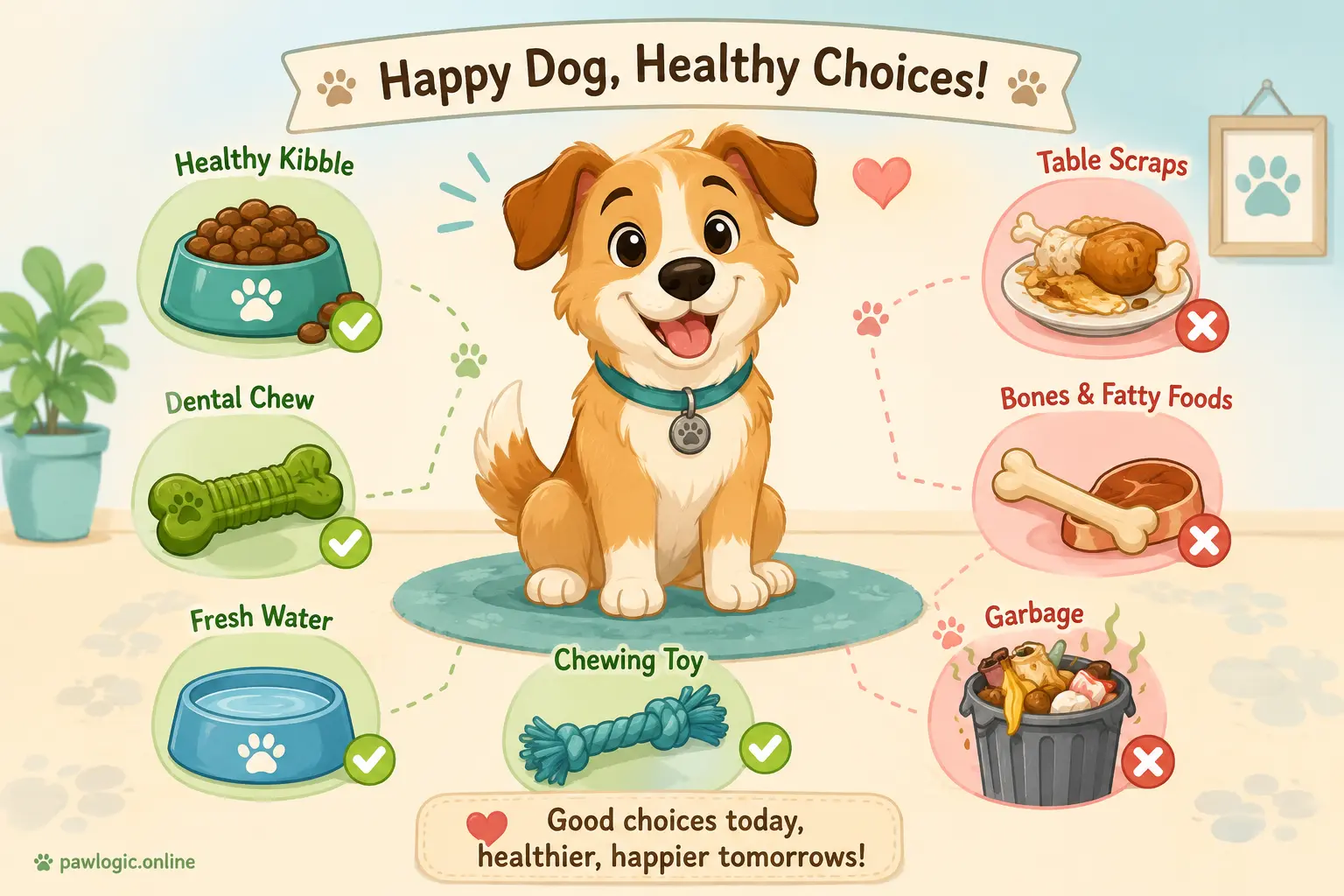
Then there are the dogs who behave like tiny raccoons. Garbage eating, scavenging outdoors, licking dead animals, and raiding litter boxes can create horrifying temporary smells. Sometimes the odor disappears after brushing or digestion. Other times, the behavior introduces harmful bacteria or foreign material that becomes trapped in the mouth.
Chewing habits matter too. Dogs who chew safe dental products often scrape away plaque naturally, while dogs fed only soft foods may experience faster tartar buildup. Veterinary dental experts repeatedly emphasize that chewing alone is not enough, but it certainly helps reduce bacterial accumulation.
Raw diets remain controversial in veterinary medicine because improperly balanced raw feeding may increase bacterial exposure. Some veterinary professionals caution that certain raw foods can disrupt bacterial balance in the gut and mouth, potentially worsening bad breath. That does not automatically mean all raw diets are harmful, but nutritional quality and hygiene become extremely important.
A healthy diet supports healthier breath because digestion, bacteria balance, and oral cleanliness all connect like gears in the same machine. When one system struggles, the smell often becomes noticeable long before other symptoms appear.
Hidden Health Issues Linked to Foul-Smelling Breath
Sometimes terrible breath has nothing to do with dirty teeth at all. Certain diseases create very specific odors that veterinarians recognize almost immediately. This is why unusual breath smells should never be brushed off as “just dog breath.”
Kidney disease often creates an ammonia-like smell that resembles urine or cleaning chemicals. This happens because failing kidneys cannot properly remove waste products from the bloodstream. Urea builds up in the body and eventually affects the smell of the breath. Veterinary experts consider ammonia-smelling breath a serious warning sign requiring immediate evaluation.
Diabetes can produce sweet or fruity-smelling breath due to ketone buildup. Some owners compare it to nail polish remover or overly ripe fruit. While that might sound less offensive than rotten odors, it can signal dangerously uncontrolled blood sugar levels. Dogs with diabetes may also drink excessively, urinate more often, and lose weight unexpectedly.
Liver disease may create metallic or musty-smelling breath because toxins accumulate when liver function declines. Yellowing eyes, vomiting, appetite loss, and lethargy often appear alongside the odor.
Here is a useful comparison table:
| Breath Smell | Possible Cause |
|---|---|
| Rotten or decaying | Dental disease |
| Ammonia or urine | Kidney disease |
| Sweet or fruity | Diabetes |
| Metallic or musty | Liver disease |
| Fishy | Oral infection or anal gland contamination |
This is why veterinarians pay close attention to odor characteristics during exams. Smell may seem like a minor symptom, but it often points directly toward the underlying disease process.
When Bad Breath Points to Digestive Problems
Sometimes the source of foul breath lies farther down the digestive tract. Gut imbalances, acid reflux, poor digestion, and intestinal infections can all affect the smell coming from a dog’s mouth. It is similar to how humans with severe acid reflux sometimes develop sour-smelling breath.
Dogs who frequently vomit or regurgitate may coat their mouths with stomach acid and partially digested food. Over time, this creates a persistent unpleasant smell. Chronic digestive upset can also alter bacterial balance throughout the gastrointestinal system, indirectly affecting breath quality.
Foreign objects are another hidden danger. Dogs love chewing sticks, bones, rope toys, and random household items. Veterinary sources note that objects can become wedged between teeth, trapped under the tongue, or lodged in the roof of the mouth. These hidden materials slowly rot while bacteria multiply around them.
Digestive blockages can also contribute to horrible breath. If food cannot move properly through the digestive tract, vomiting and bacterial overgrowth may follow. Some owners notice especially foul breath accompanied by appetite changes, vomiting, or bloating.
What makes digestive causes tricky is that the mouth may appear relatively clean. Owners often assume clean-looking teeth mean everything is fine, but digestive disease can still create serious odor problems. That is why persistent bad breath deserves a full veterinary evaluation rather than just a quick glance at the teeth.
Signs of Gum Disease That Should Never Be Ignored
Dogs rarely cry or complain when something hurts. Instead, they communicate discomfort through subtle behavior changes. Gum disease often progresses silently until pain becomes severe.
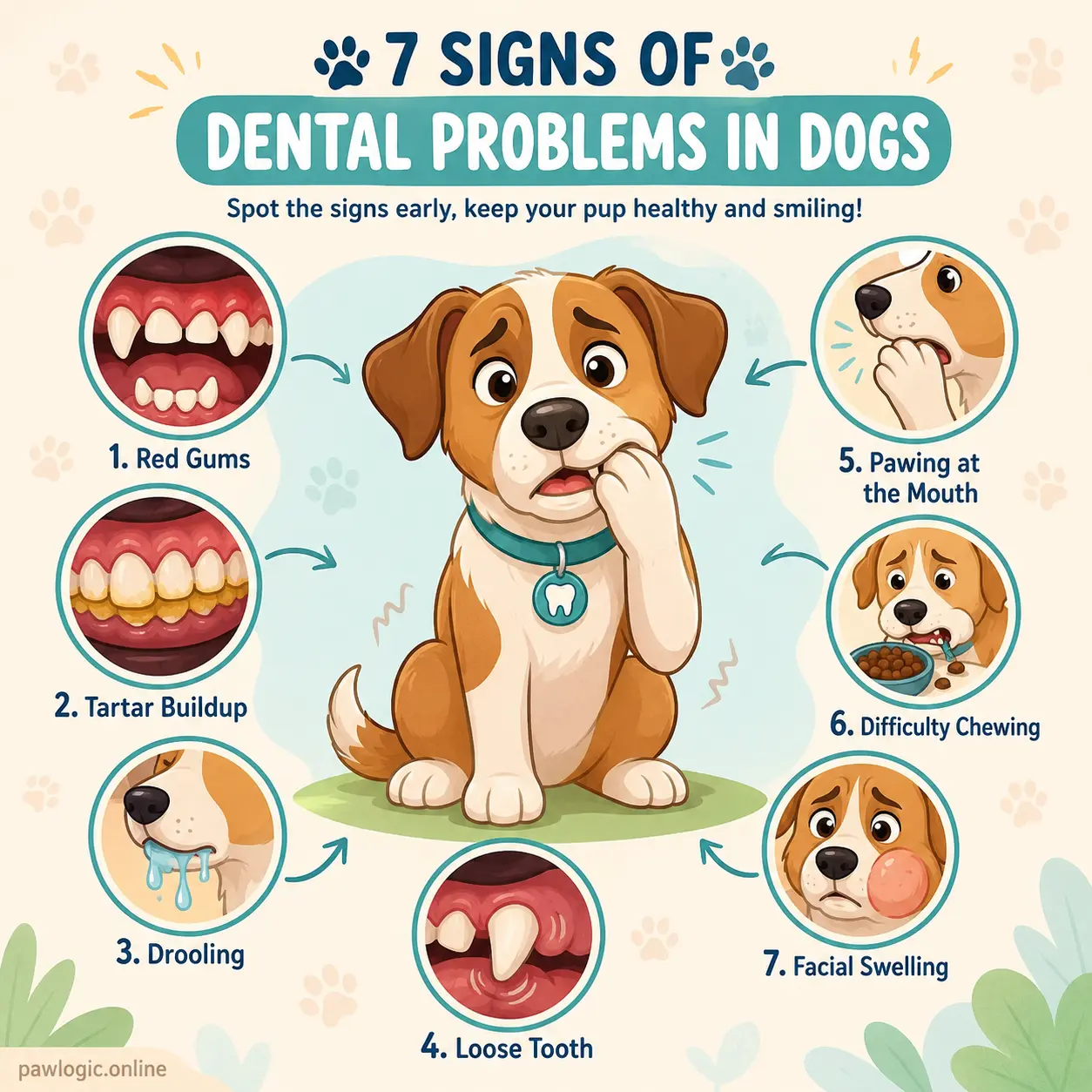
One of the earliest warning signs is redness along the gumline. Healthy gums should appear pink and firm. Swollen, bleeding, or receding gums suggest inflammation is already developing. Drooling, pawing at the face, or chewing on one side of the mouth can also indicate oral pain.
Behavior changes often surprise owners the most. A dog that suddenly becomes withdrawn, irritable, or reluctant to play may actually be suffering from chronic dental pain. Some dogs stop chewing toys they once loved. Others begin dropping food while eating because chewing hurts too much.
Here are major warning signs owners should watch for:
- Persistent bad breath
- Yellow or brown tartar buildup
- Red or bleeding gums
- Excessive drooling
- Loose or missing teeth
- Difficulty chewing
- Facial swelling
- Pawing at the mouth
- Loss of appetite
Small dog breeds often face higher risk because overcrowded teeth trap bacteria more easily. Veterinary experts consistently warn that tiny breeds develop periodontal disease earlier and more severely than many larger dogs.
Ignoring these signs allows bacteria to continue damaging tissue beneath the surface. By the time severe odor appears, irreversible damage may already exist.
Daily Habits That Keep Your Dog’s Mouth Healthier
The good news is that many cases of severe bad breath are preventable with consistent care. Daily habits make a massive difference over time, much like regular maintenance prevents rust from destroying a car engine.
Tooth brushing remains the gold standard. Veterinary professionals recommend brushing daily or at least several times weekly using dog-safe toothpaste. Human toothpaste should never be used because ingredients like xylitol and fluoride can be toxic to dogs.
Many owners assume brushing is impossible, but dogs can gradually adapt with patience. Experts say successful routines often develop over several months. Starting slowly with flavored canine toothpaste and positive reinforcement usually works better than forcing the process.
Dental chews, water additives, and special dental diets can also help reduce plaque accumulation. The Veterinary Oral Health Council recommends products specifically tested for effectiveness.
Professional cleanings remain incredibly important because home care cannot fully remove hardened tartar below the gumline. During veterinary cleanings, dogs undergo anesthesia so dentists can thoroughly scale teeth and examine hidden structures.
A balanced oral care routine usually includes:
| Habit | Benefit |
|---|---|
| Daily brushing | Removes plaque before tartar forms |
| Dental chews | Reduces bacterial buildup |
| Routine vet exams | Detects problems early |
| Professional cleanings | Removes hidden tartar |
| Healthy diet | Supports oral and digestive health |
Consistency matters more than perfection. Even partial improvements in dental care can dramatically reduce odor and disease progression.
When Bad Breath Requires Immediate Veterinary Attention
Not every case of bad breath is an emergency, but some situations demand immediate veterinary care. The smell itself can offer clues about urgency.
Seek veterinary attention quickly if your dog’s breath suddenly smells like ammonia, chemicals, blood, or decomposition. These odors may indicate kidney failure, severe infection, or organ dysfunction. Breath accompanied by vomiting, facial swelling, bleeding, appetite loss, or lethargy should also be treated seriously.
Dogs with severe dental disease may develop abscesses capable of spreading infection into surrounding tissues. In rare cases, jaw fractures can occur in advanced periodontal disease, especially among small breeds.
Sudden changes deserve special attention. Chronic mild odor is one thing; a rapid shift toward unbearable smell often signals infection or systemic illness. Owners should also watch for difficulty swallowing, visible mouth growths, or nasal discharge.
One of the biggest mistakes people make is waiting too long because the dog still seems “mostly normal.” Dogs are masters at hiding discomfort. By the time obvious symptoms appear, disease may already be advanced.
Veterinary exams typically include oral inspection, dental X-rays, blood testing, and evaluation of kidney and liver function if systemic disease is suspected. Early intervention almost always improves outcomes while reducing pain and long-term complications.
Conclusion
Terrible dog breath is not just an inconvenience that owners must tolerate. In many cases, it is the body’s alarm system signaling infection, disease, pain, or deeper medical problems. Healthy dog breath should be mild and relatively neutral, not strong enough to clear a room.
Dental disease remains the most common cause, especially because plaque and bacteria quietly build beneath the gumline over time. Yet kidney disease, diabetes, liver dysfunction, digestive problems, and foreign objects can also create shocking odors that deserve immediate attention.
The encouraging part is that prevention works. Regular brushing, quality dental products, professional cleanings, and early veterinary care dramatically lower the risk of painful oral disease. Paying attention to subtle warning signs can also protect your dog’s overall health and quality of life.
Your dog may not be able to say, “My mouth hurts,” but bad breath often says it loudly enough for both of you.
FAQs
1. Is bad breath normal in older dogs?
No. Mild dog breath is normal, but severely foul-smelling breath is not considered normal at any age. Older dogs are simply more likely to develop dental disease and other medical conditions that cause odor.
2. What does kidney disease breath smell like in dogs?
Many owners describe it as smelling like ammonia, urine, or cleaning chemicals. This odor occurs because waste products build up in the bloodstream when kidneys stop functioning properly.
3. Can dog food alone cause terrible breath?
Yes, certain diets and eating habits can worsen breath quality, especially low-quality foods, fish-heavy diets, garbage eating, or foods that stick heavily to teeth. However, severe persistent odor usually involves underlying dental or medical issues too.
4. How often should I brush my dog’s teeth?
Veterinary experts recommend daily brushing whenever possible. Even brushing several times per week can significantly reduce plaque buildup and bad breath.
5. When should I worry about my dog’s bad breath?
You should contact a veterinarian if the odor is sudden, unusually strong, paired with appetite changes, swelling, bleeding gums, vomiting, lethargy, or strange smells like ammonia or sweetness.

Kellan Voss is a 25-year-old American writer living in Spokane, Washington. He enjoys producing informative blog content covering pets, technology, and everyday problem-solving for pawlogic.online. His approachable writing style, commitment to factual accuracy, and passion for continuous learning help readers find practical answers they can trust.